
You want a home that feels calm, clean, and quietly curated without looking empty or cold. Start with a neutral base, layer warm textures and slim furniture, and edit decor down to purposeful pieces that breathe. I’ll share 22 practical ideas—materials, layouts, and storage strategies—that help you simplify while keeping the space cozy and lived‑in, plus a few small splurges that make a big difference.
Embrace a Neutral Base Palette
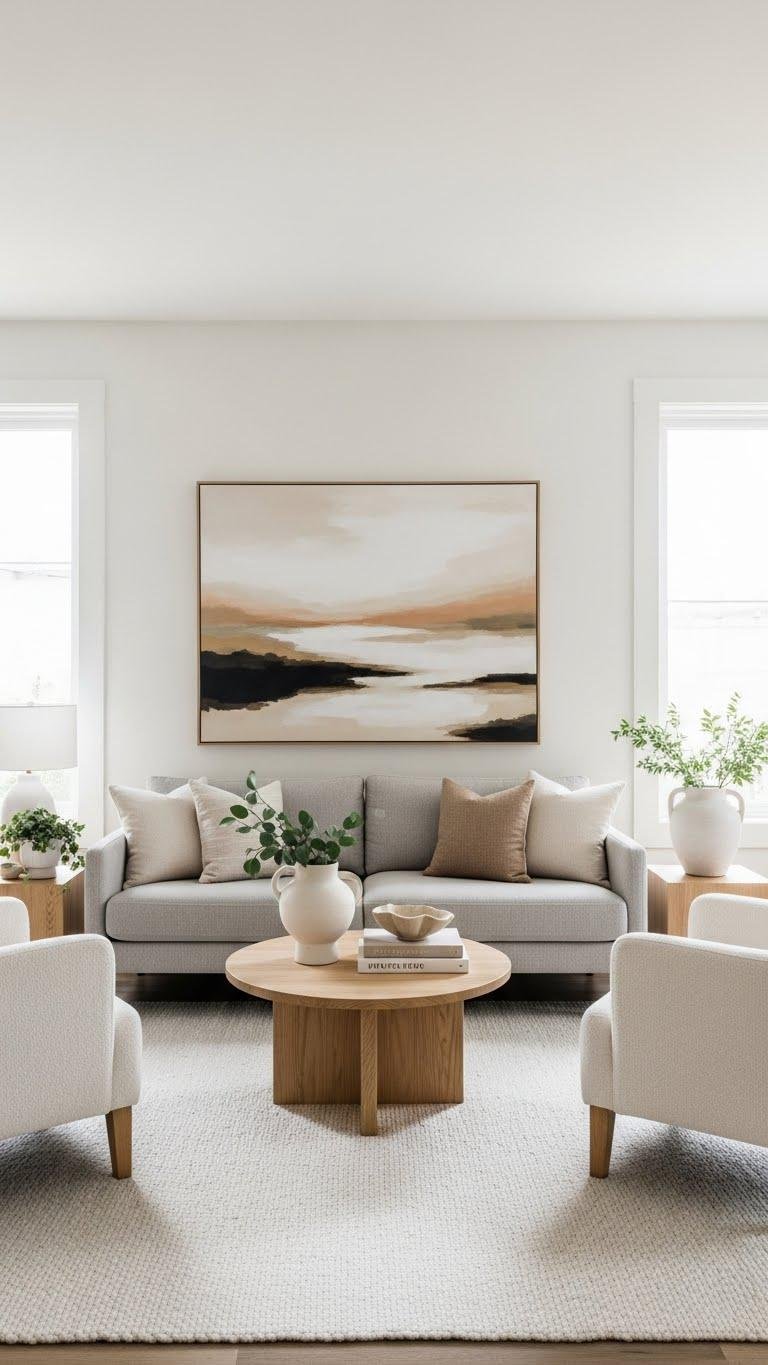
When you start with a neutral base palette—think warm whites, soft greys, and muted beiges—you give every piece room to breathe and the room a calm, cohesive look. You’ll rely on soft greytones and a warm beigebase to anchor furniture, art, and rugs.
Keep contrasts subtle, shapes simple, and negative space intentional so the home feels open, liberated, and effortlessly modern.
Layer Natural Textures
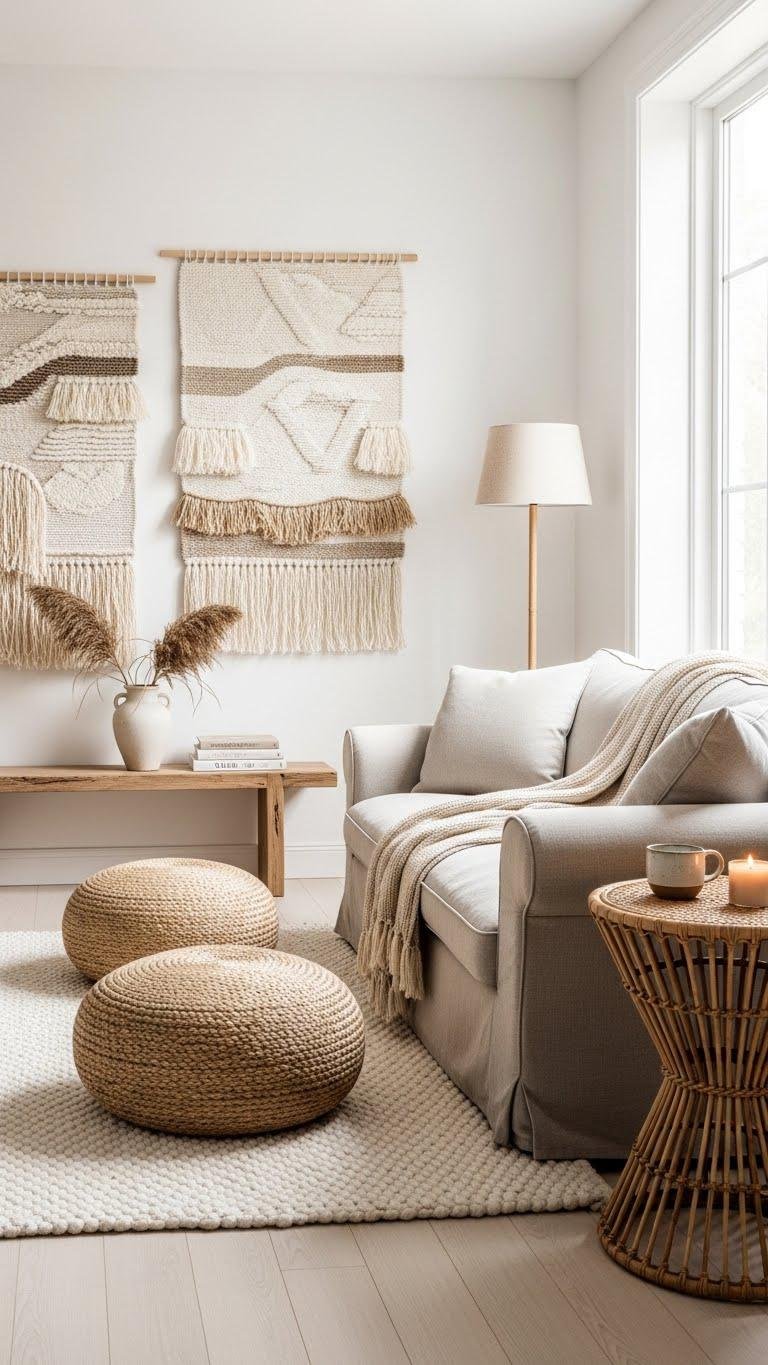
Often you’ll layer natural textures to give a neutral room warmth and depth without cluttering it.
Let woven wallhangings add vertical interest while jute poufs offer casual seating and tactile contrast. Mix linen, rattan, and raw wood in measured doses.
You’ll keep surfaces clear, choose purposeful pieces, and let texture—rather than ornament—define a calm, free, lived-in minimalism.
Choose Clean‑lined Furniture
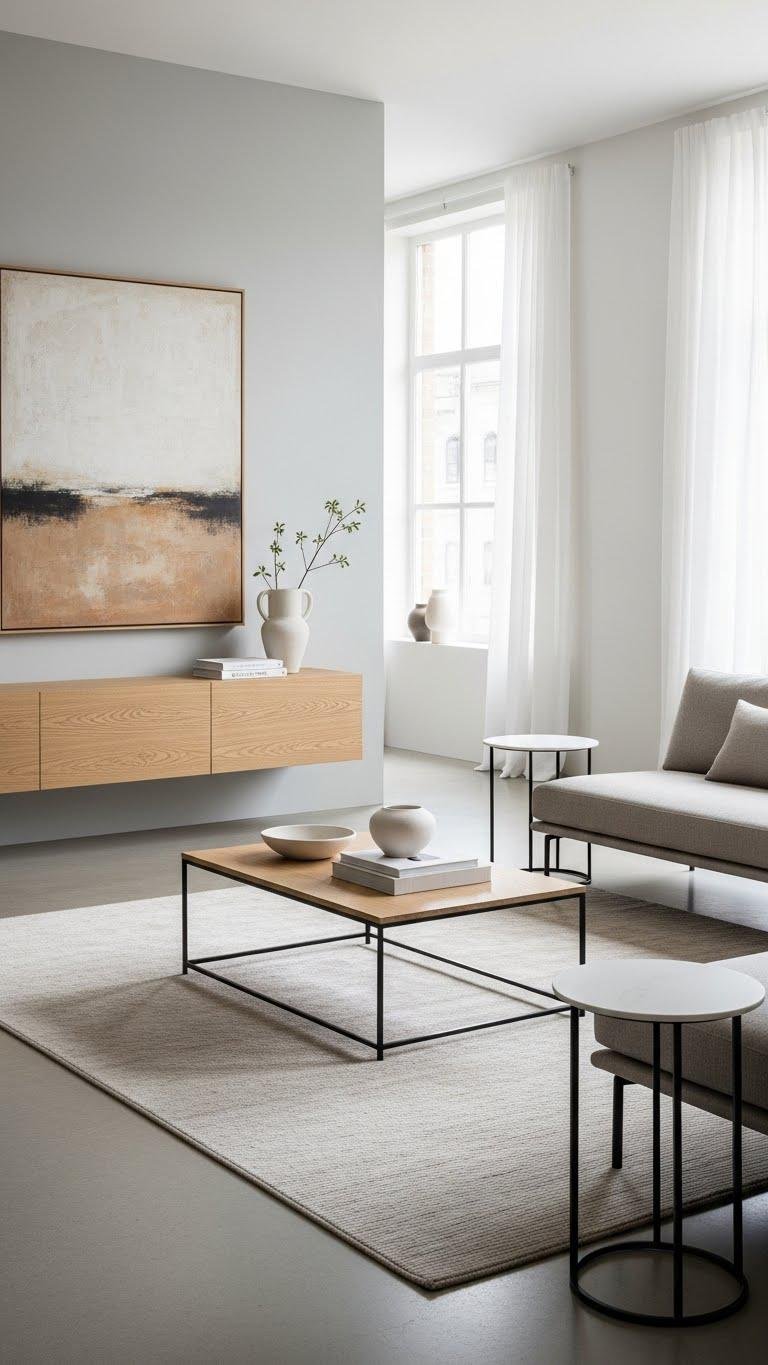
Clean-lined furniture gives your space instant calm: pick pieces with slim profiles, subtle hardware, and unadorned surfaces so the eye can rest.
You’ll favor a sleek profile and low visual weight—think floating console, slim-legged sofa, and tables with a streamlined silhouette.
Aim for geometric balance and restrained materials so rooms feel open, purposeful, and free to breathe.
Introduce Soft Curves
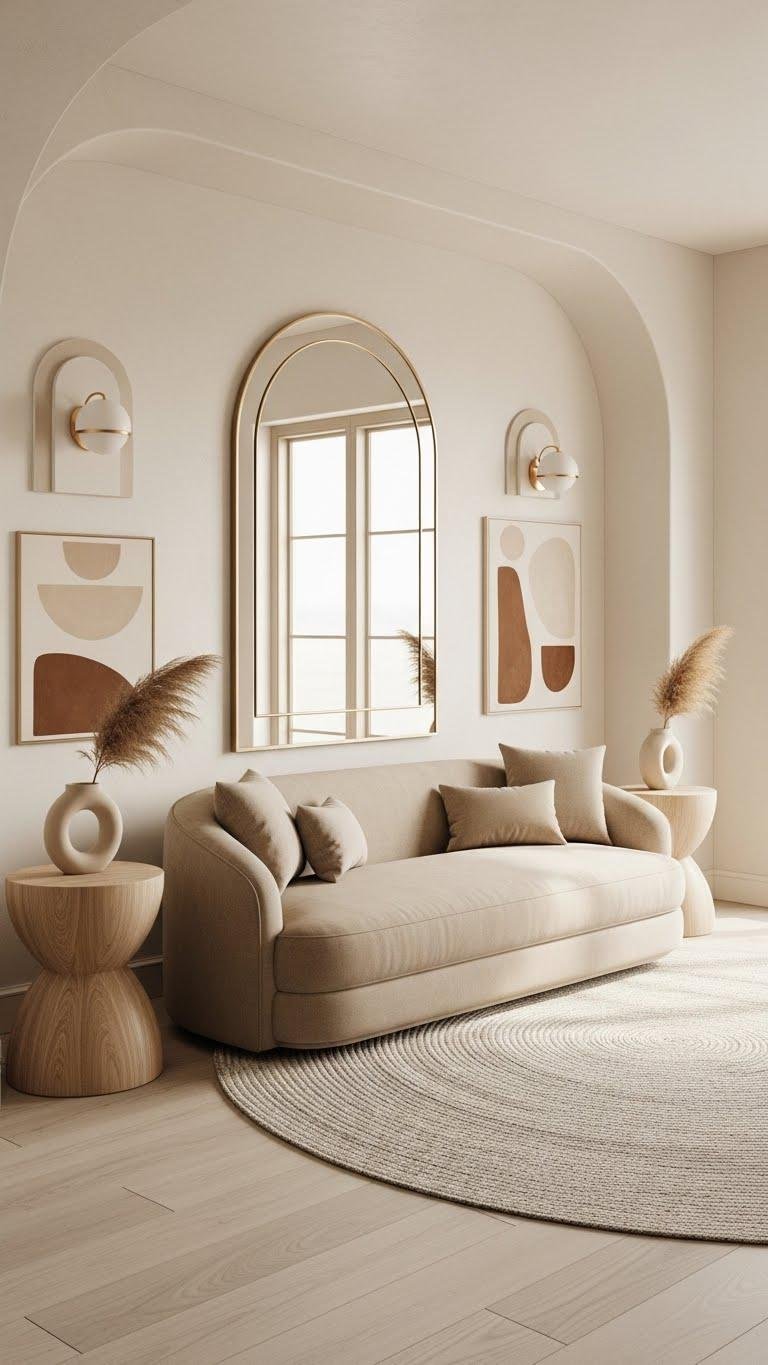
Add soft curves to break the strict geometry and soften a room’s edges—think rounded sofas, arched mirrors, and sculpted side tables that invite the eye to move gently through the space.
You’ll mix rounded artwork and arched lighting to create flow, pairing organic silhouettes with neutral palettes. Let curves suggest movement and openness so your space feels modern, relaxed, and freely lived in.
Limit Decorative Objects
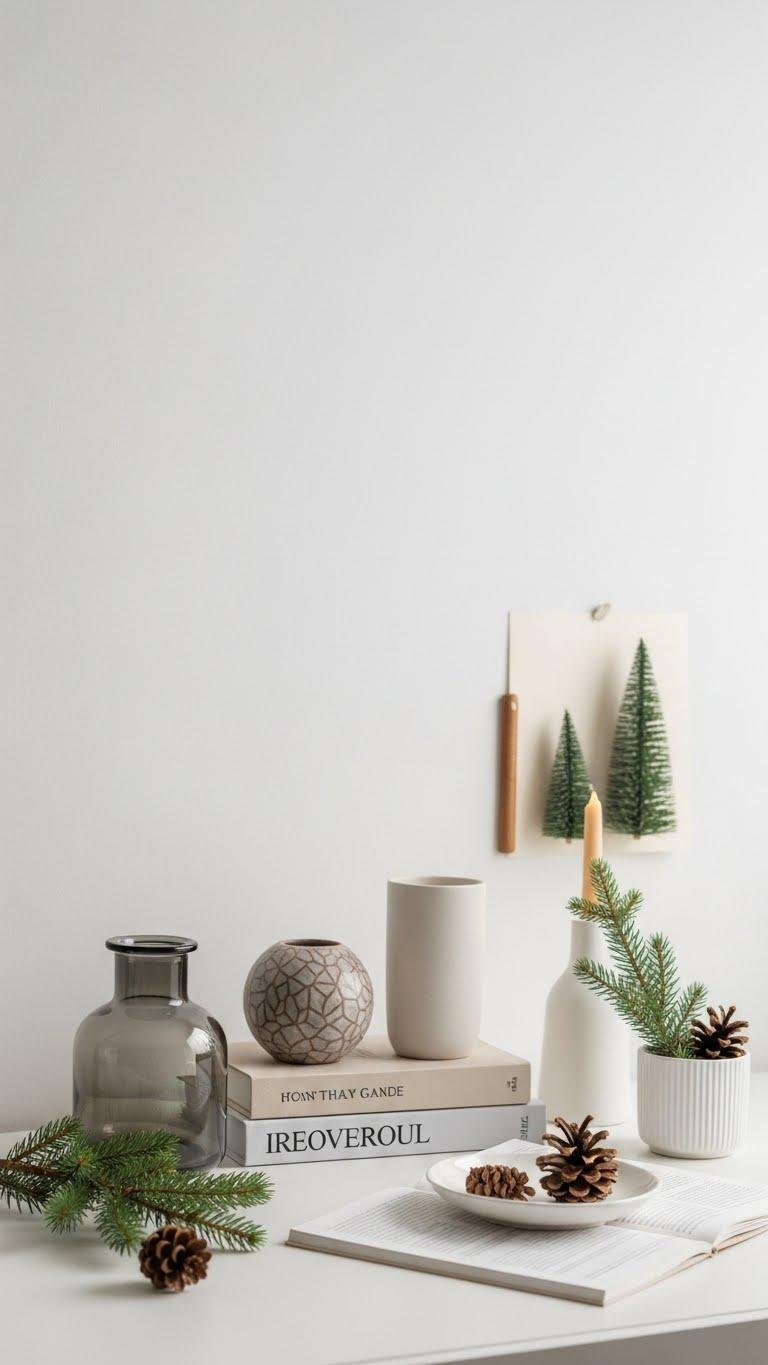
Start sparingly: choose a few meaningful pieces and let negative space do the rest.
You’ll edit ruthlessly, keeping surfaces clear so light and form breathe.
Embrace seasonal rotations for fresh focus, setting small vignettes that read like mini exhibitations.
Pick items that resonate, rotate with intent, and maintain calm — freedom comes from less, not more.
Opt for Multifunctional Pieces
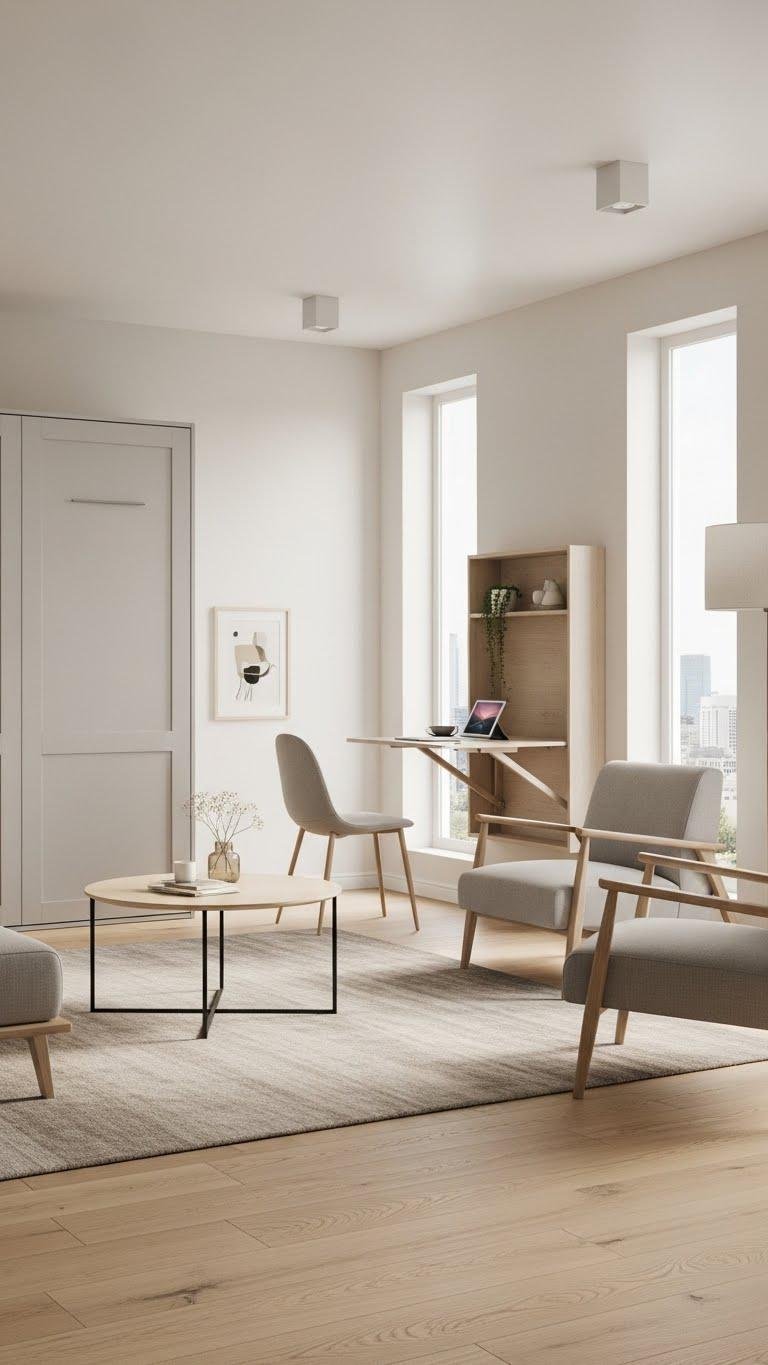
After paring down decorative objects, make each remaining piece pull double duty. Choose clean silhouettes that free up space: hidden beds tuck away when you want open floor, folding desks disappear to keep sightlines clear.
Pick neutrals and slim profiles so items read calm, not cluttered. You’ll move easier, host without stress, and keep a minimalist home that feels open and intentional.
Use Warm Wood Accents
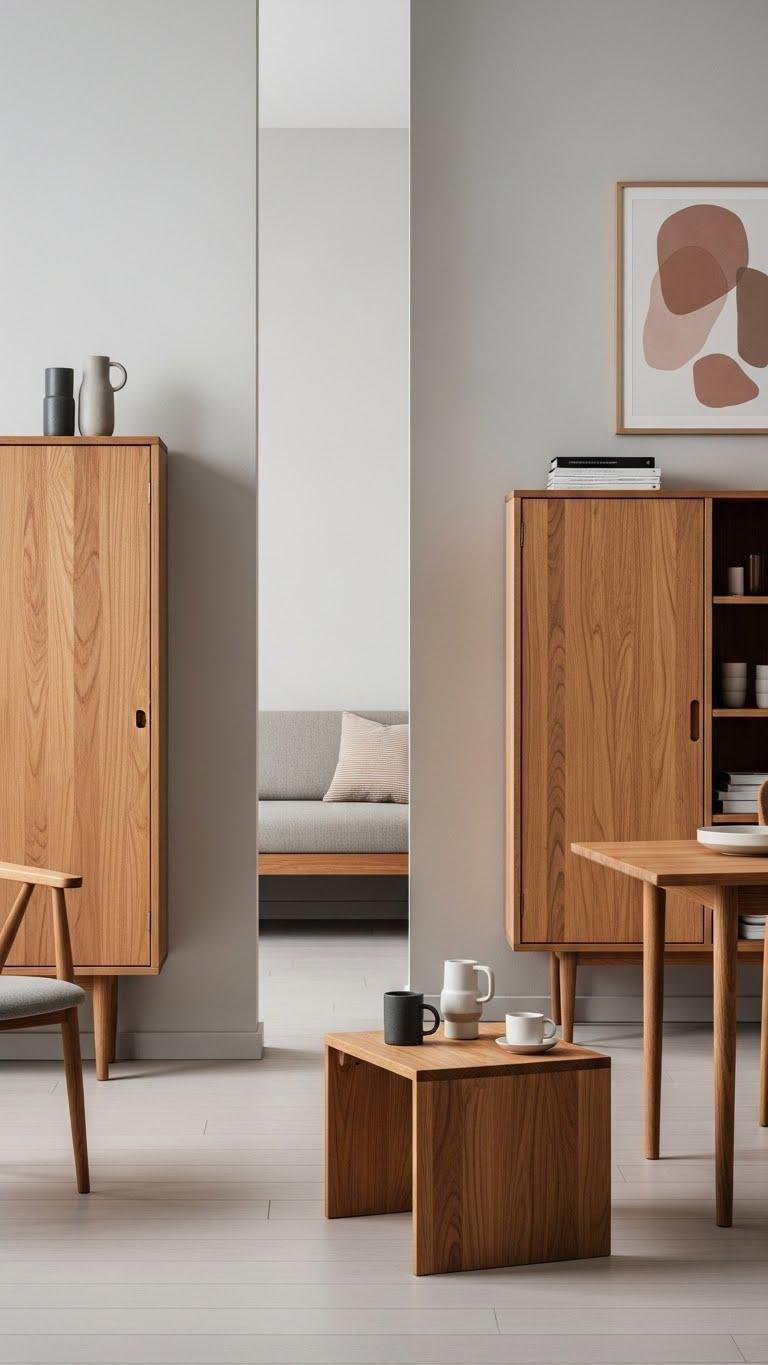
Warm wood tones bring softness and depth to a minimalist room, grounding light neutrals and preventing the space from feeling cold or clinical.
You’ll choose soft oak furniture and teak accents to add warmth without clutter. Opt for simple silhouettes, open grain textures, and matte finishes. These pieces anchor the room, invite touch, and keep your space airy while feeling intentionally lived-in.
Bring in Subtle Earthy Accents
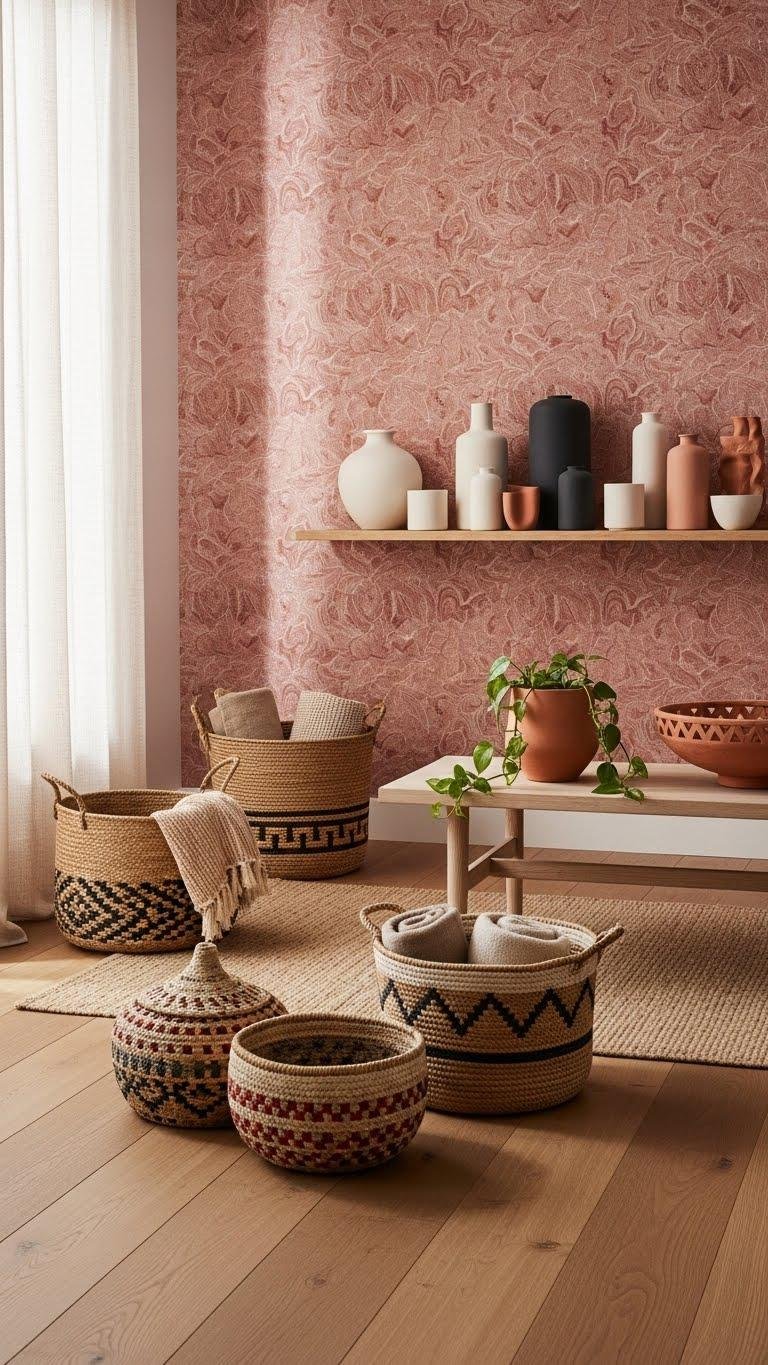
Pair those wood tones with muted, earthy accents to keep the palette grounded and layered. You’ll add calm with an earthy wallpaper on an accent wall, subtle clay vases and terra cotta accents, woven baskets and matte ceramics.
Keep shapes simple, colors warm and restrained so spaces breathe. These touches feel intentional, freeing you to live uncluttered while staying connected to nature.
Prioritize Comfortable Upholstery
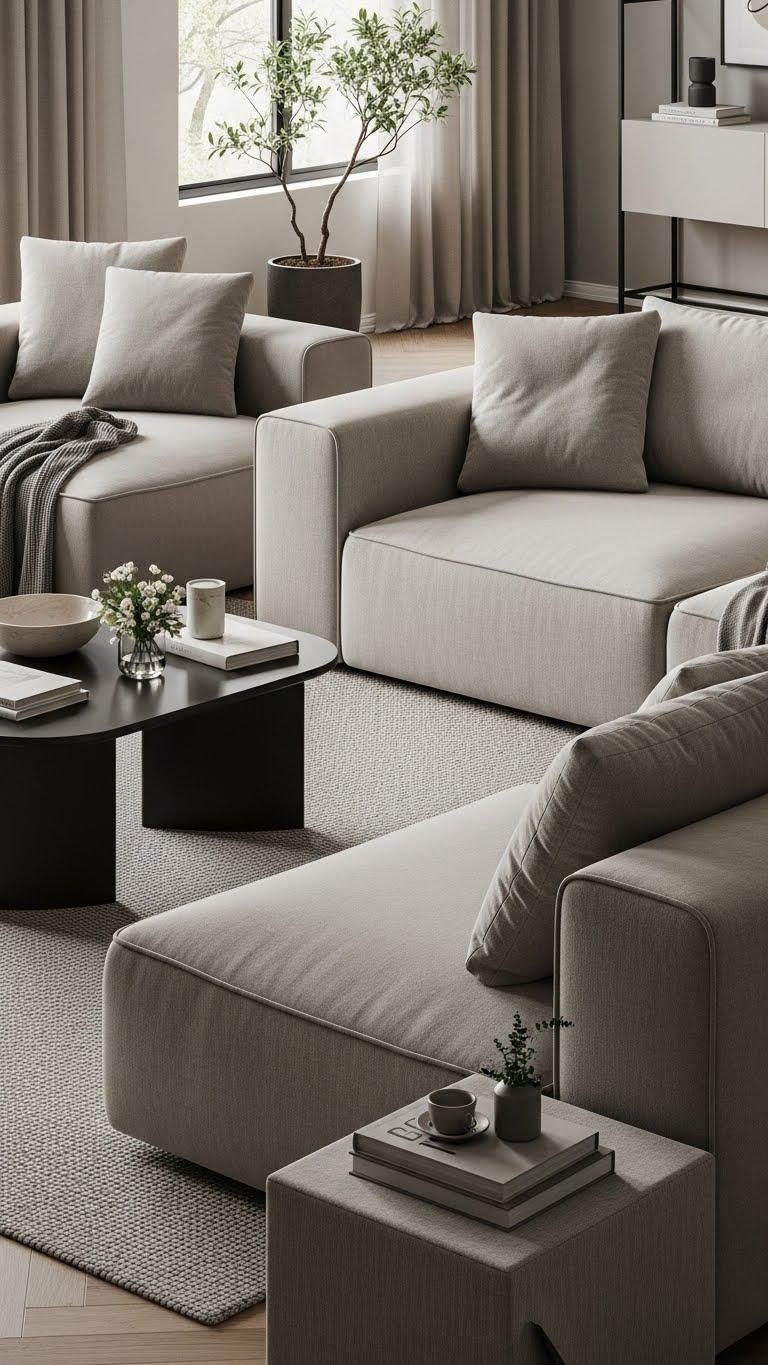
Often you’ll want upholstery that looks calm but invites you to sit—think low-profile sofas with deep seats, soft, matte fabrics, and cushions that keep their shape.
You choose low maintenance fabrics for ease, neutral tones for openness, and modular seating to rearrange quickly. Keep lines spare, contrast textures subtly, and prioritize pieces that feel relaxed, resilient, and liberating in use.
Add Tonal Textiles
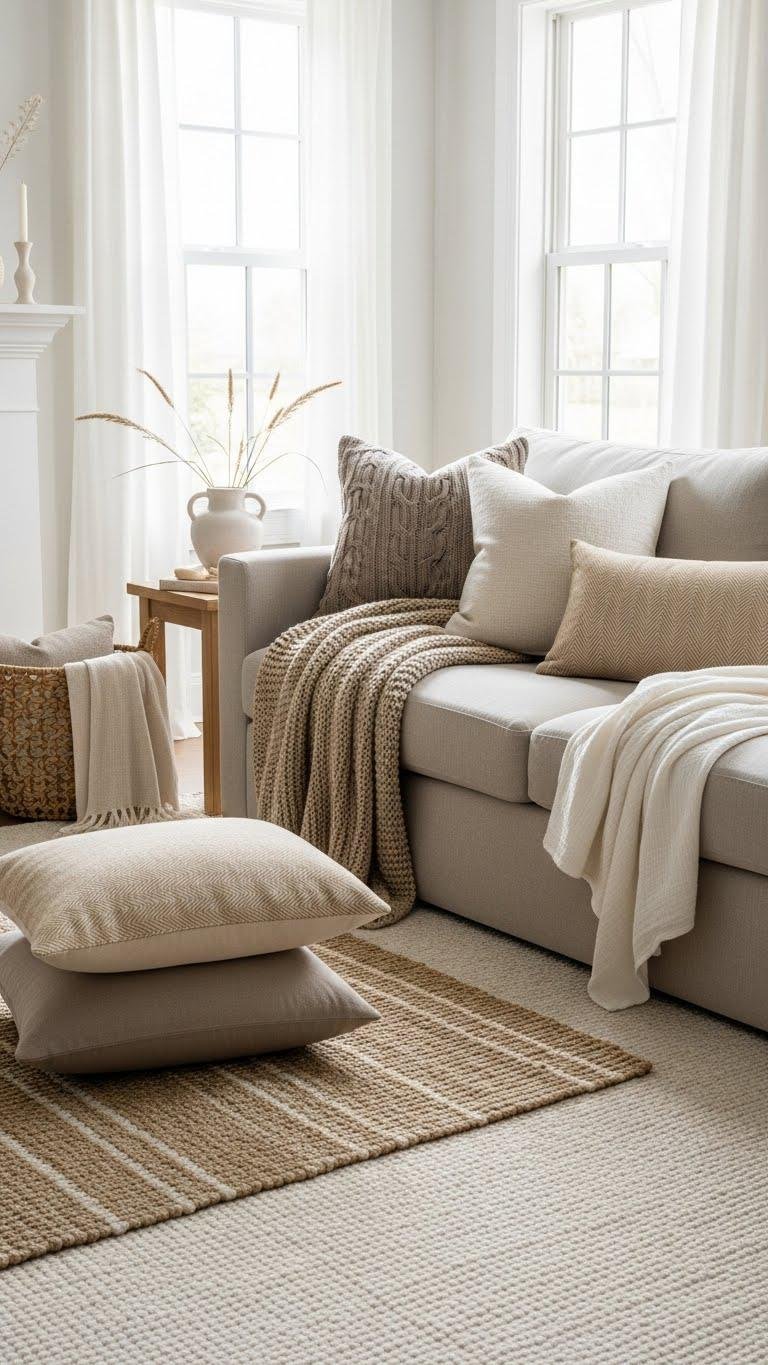
When you layer textiles in closely related hues, they build quiet depth without cluttering the room; choose throws, rugs, and pillows in varied tones of the same color to create a cohesive, sophisticated look.
You’ll lean into layered neutrals and tonal gradients to shape calm, airy spaces. Pick natural textures, keep patterns minimal, and let subtle shifts in tone give your home an unfettered, refined feel.
Incorporate Statement Lighting
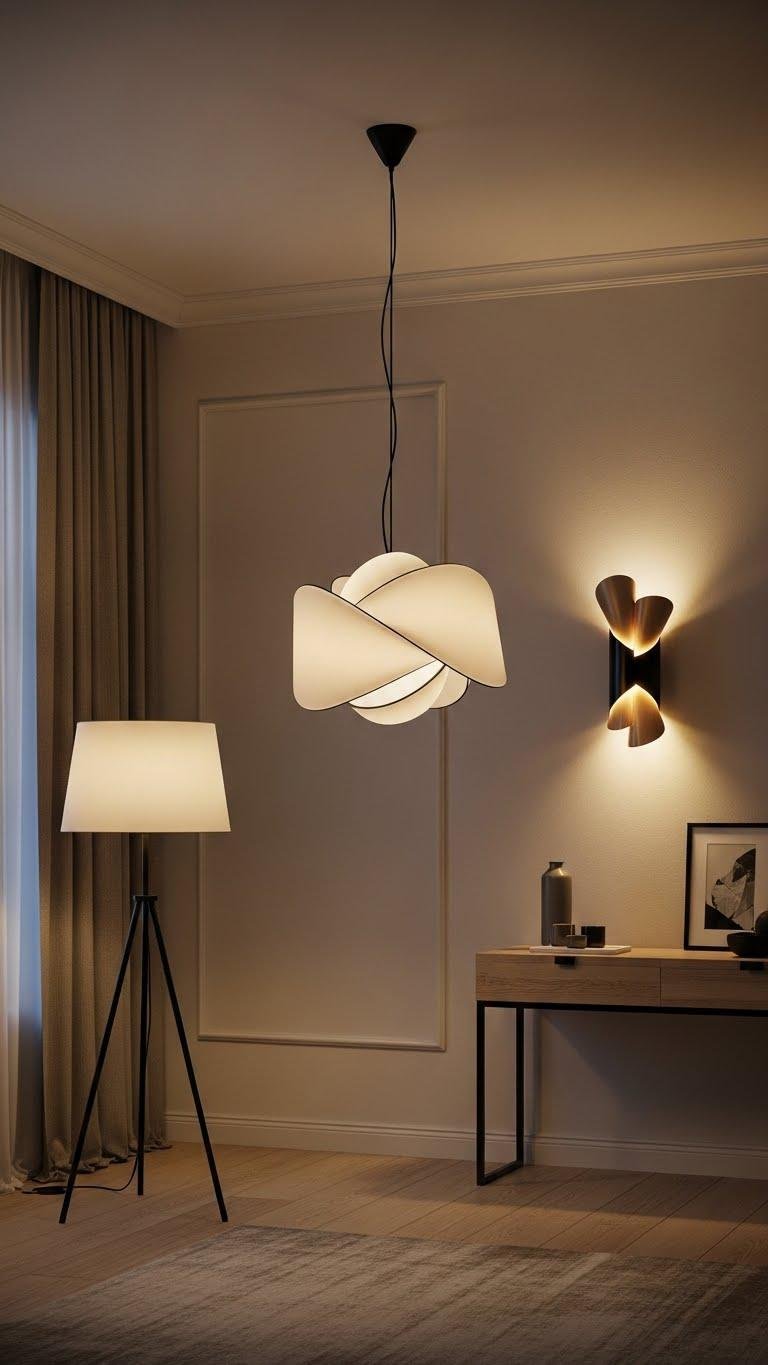
Consider bold lighting your room’s jewelry: a single sculptural pendant, oversized floor lamp, or an architectural sconce can define scale and mood while keeping surfaces uncluttered.
You’ll choose dimmed pendants for soft evenings and sculptural chandeliers to punctuate open spaces. Let a standout fixture liberate your layout, reduce accessories, and create a calm, curated atmosphere that feels modern and effortless.
Include Black or Dark Focal Points
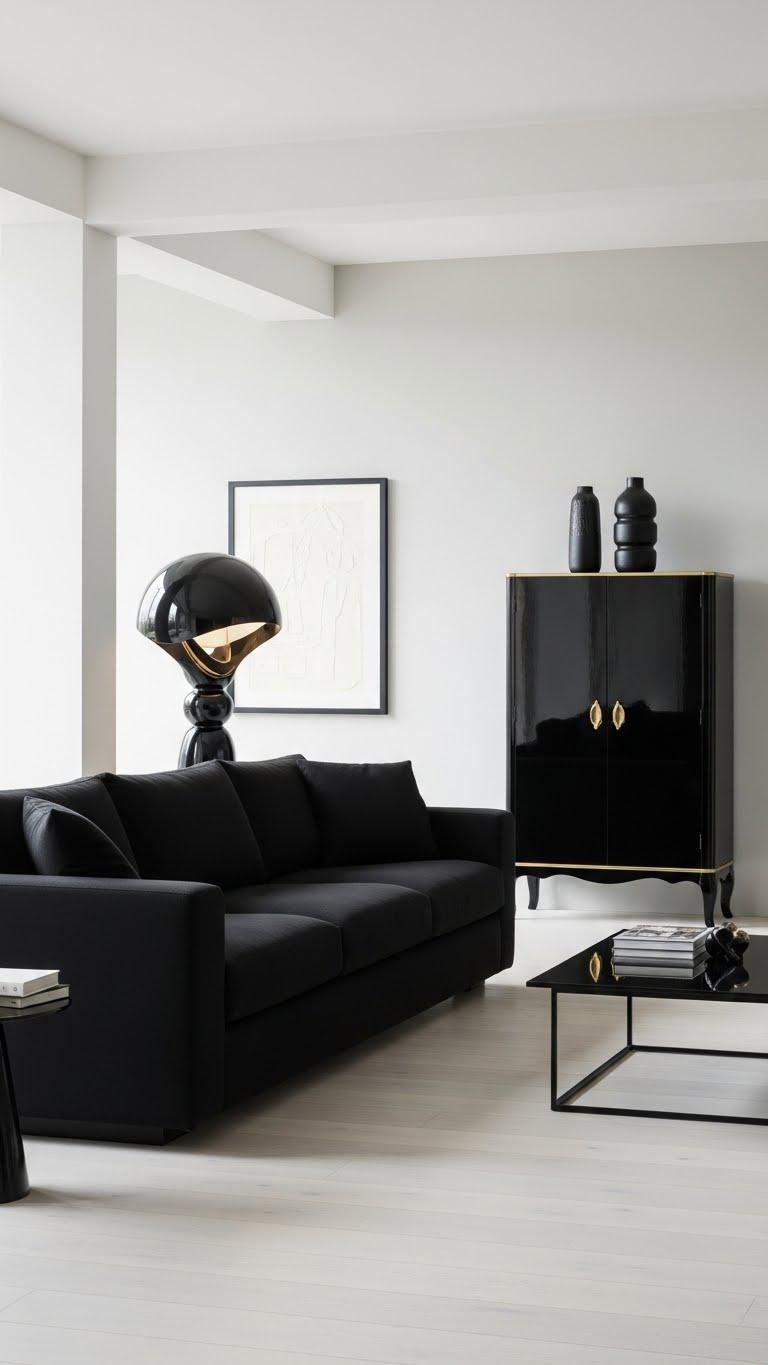
Anchoring a room with a black or dark focal point sharpens the minimal look and gives your eye somewhere to rest. Choose a matte black sofa, a sculptural lamp, or a dark lacquer credenza to punctuate neutral palettes.
You’ll create contrast without clutter, letting single bold pieces command the space while keeping freedom to rearrange, edit, and breathe.
Create Open, Airy Layouts
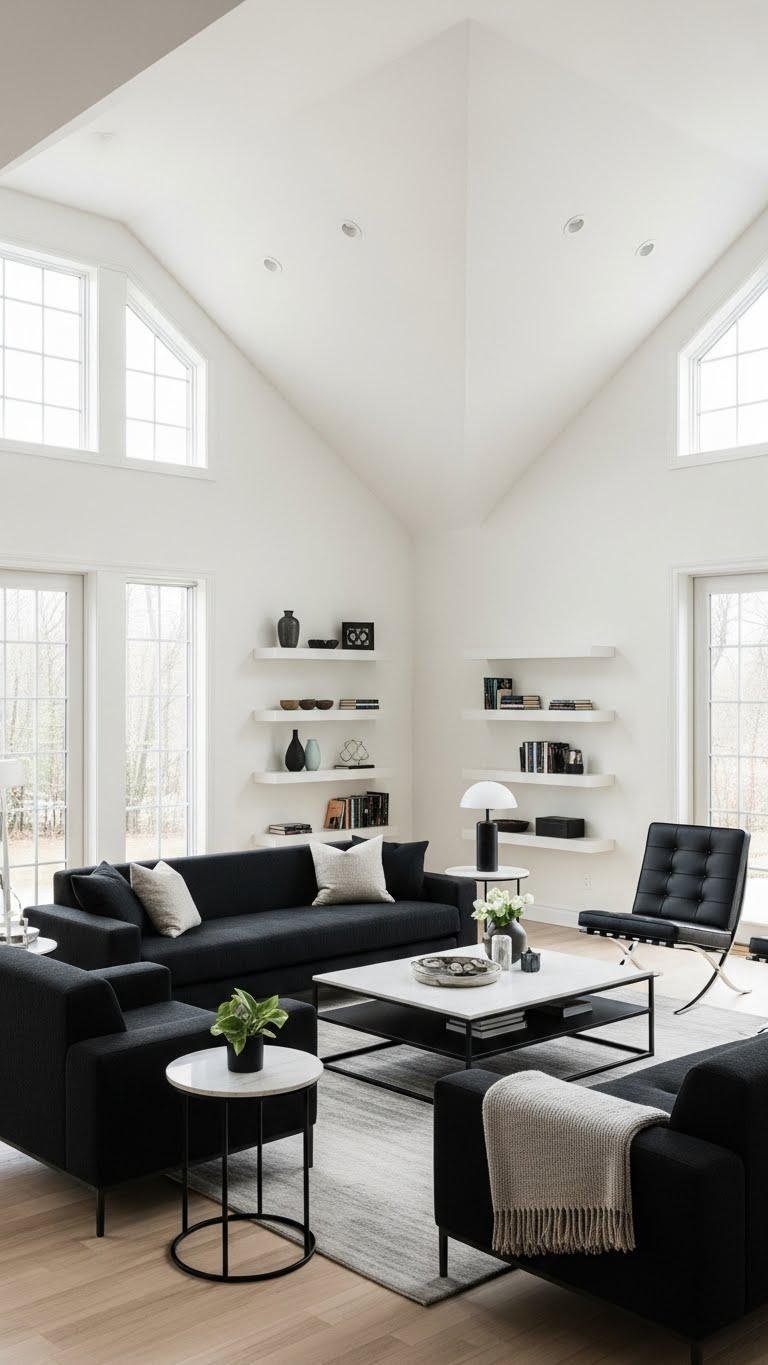
A dark focal piece gives the eye a resting point, but your room will feel its best when you pair that weight with open, airy layouts that let light and movement take center stage.
Pull furniture away from walls, favor low-profile seating, and add floating shelves to keep surfaces clear. Embrace vaulted ceilings and uninterrupted sightlines so spaces breathe and you move freely.
Mix Vintage and Modern Finds
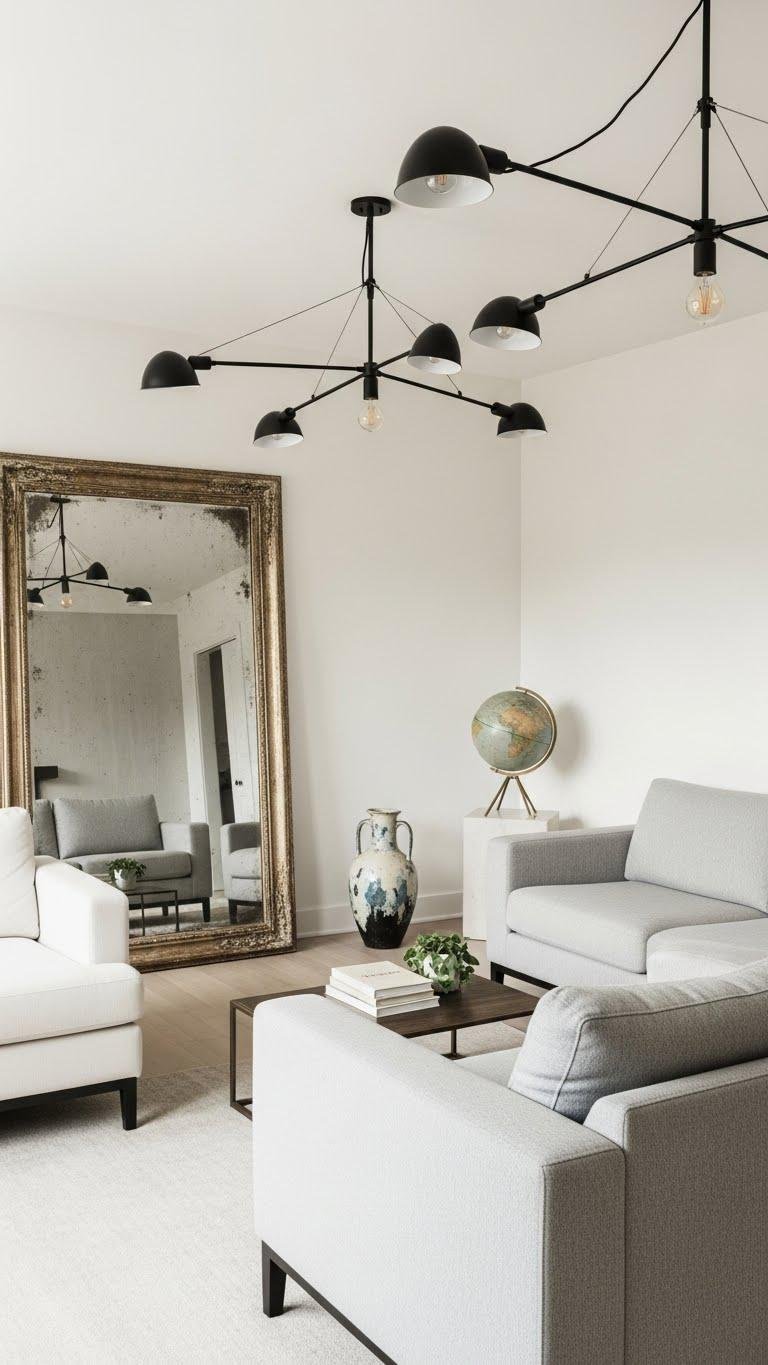
Blend old and new to give your minimalist space depth without clutter. You’ll pair clean-lined furniture with a single statement thrifted mirrors piece and subtle retro lighting choices to spark character.
Edit boldly: keep surfaces calm, let one vintage object anchor a corner, and let modern lines breathe.
The result feels curated, free, and unmistakably you.
Integrate Biophilic Elements
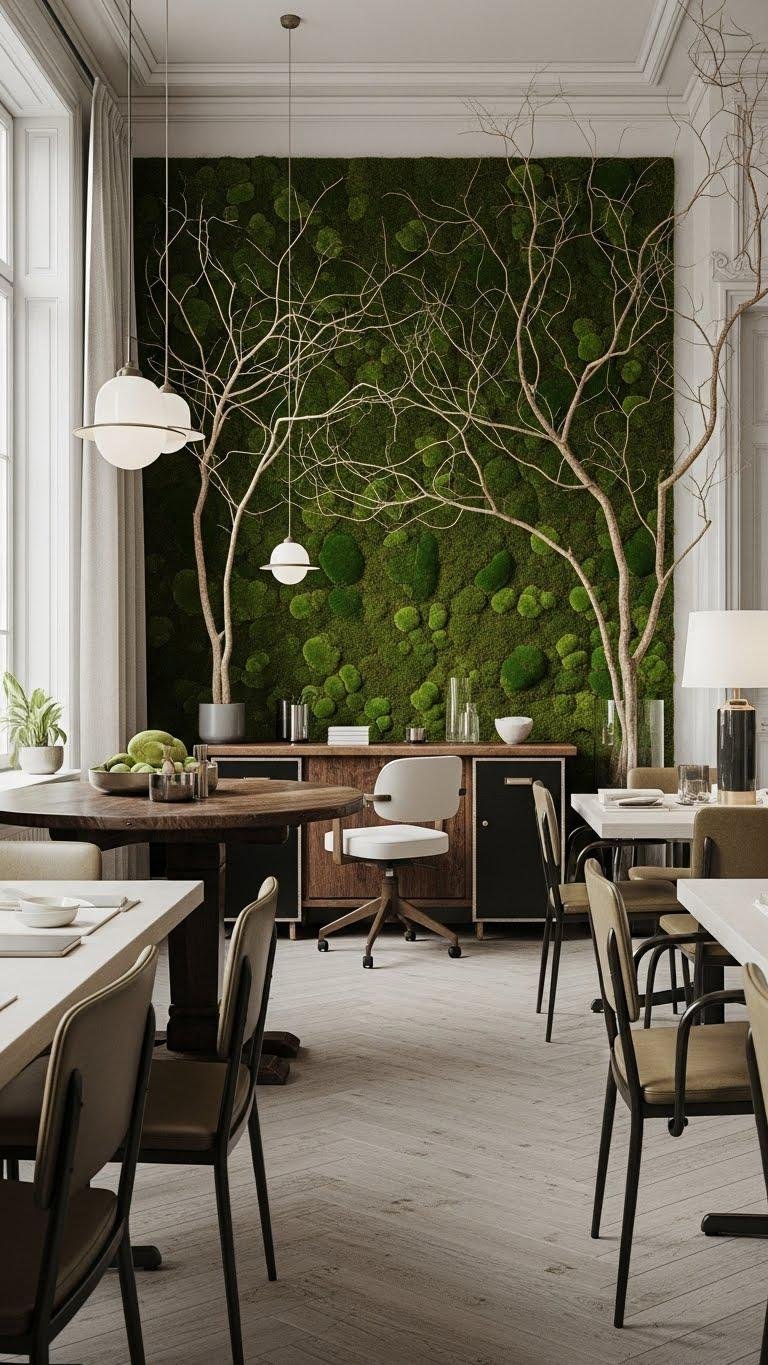
After you’ve balanced vintage accents with clean modern lines, bring the outdoors in to add warmth and life. You’ll use indoor mosswalls as low-maintenance focal points, pairing them with sculptural seasonal branchwork for movement and changing texture.
Keep palettes muted, surfaces uncluttered, and let green forms breathe. This approach feels freeing, calm, and intentionally minimal without sacrificing visual interest.
Select Sustainable Materials
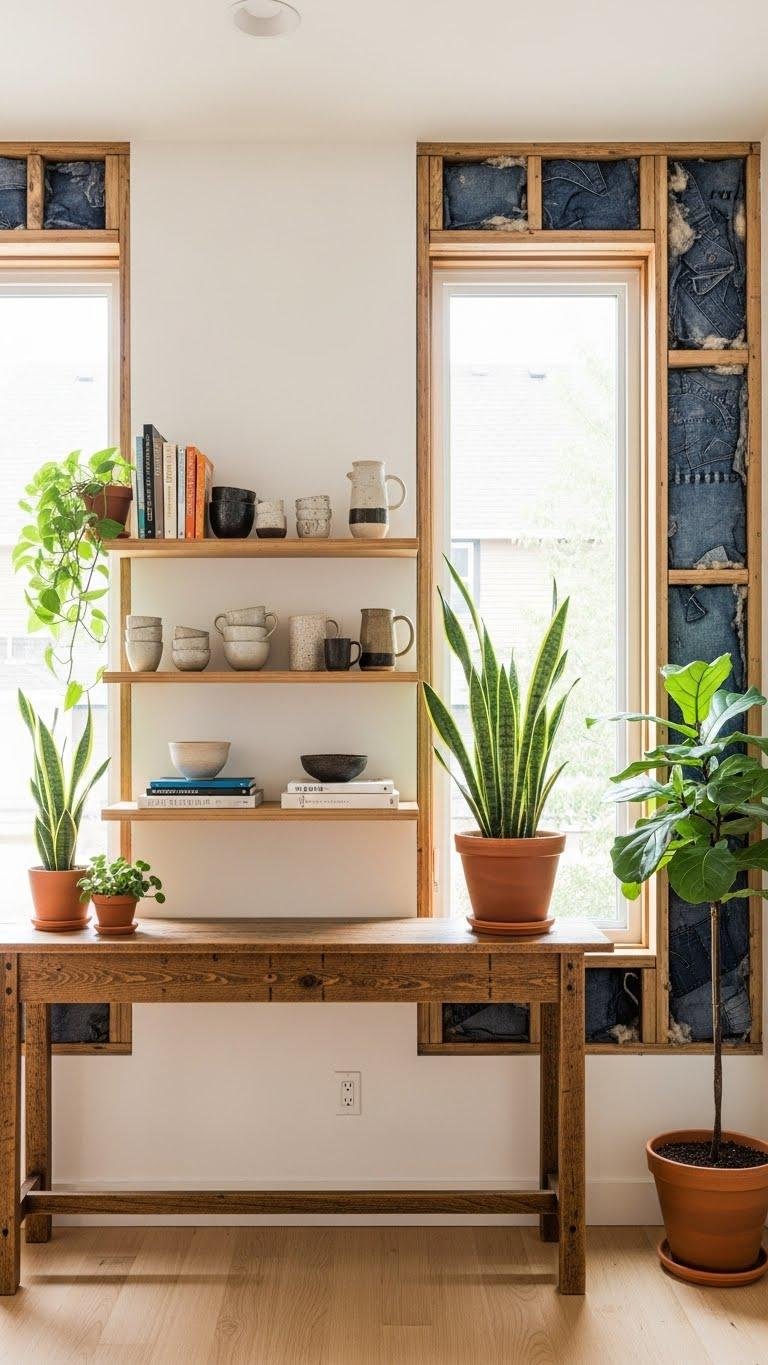
Many designers now choose reclaimed wood, low-VOC finishes, and certified natural fibers to give minimal rooms both character and conscience.
Embrace durable options like bamboo plywood for shelving and counters, and recycled denim insulation for warmth and sound control. You’ll keep lines clean while reducing impact, choosing materials that look effortless, age gracefully, and let you move freely through a calm, intentional home.
Favor Imperfect, Handcrafted Pieces
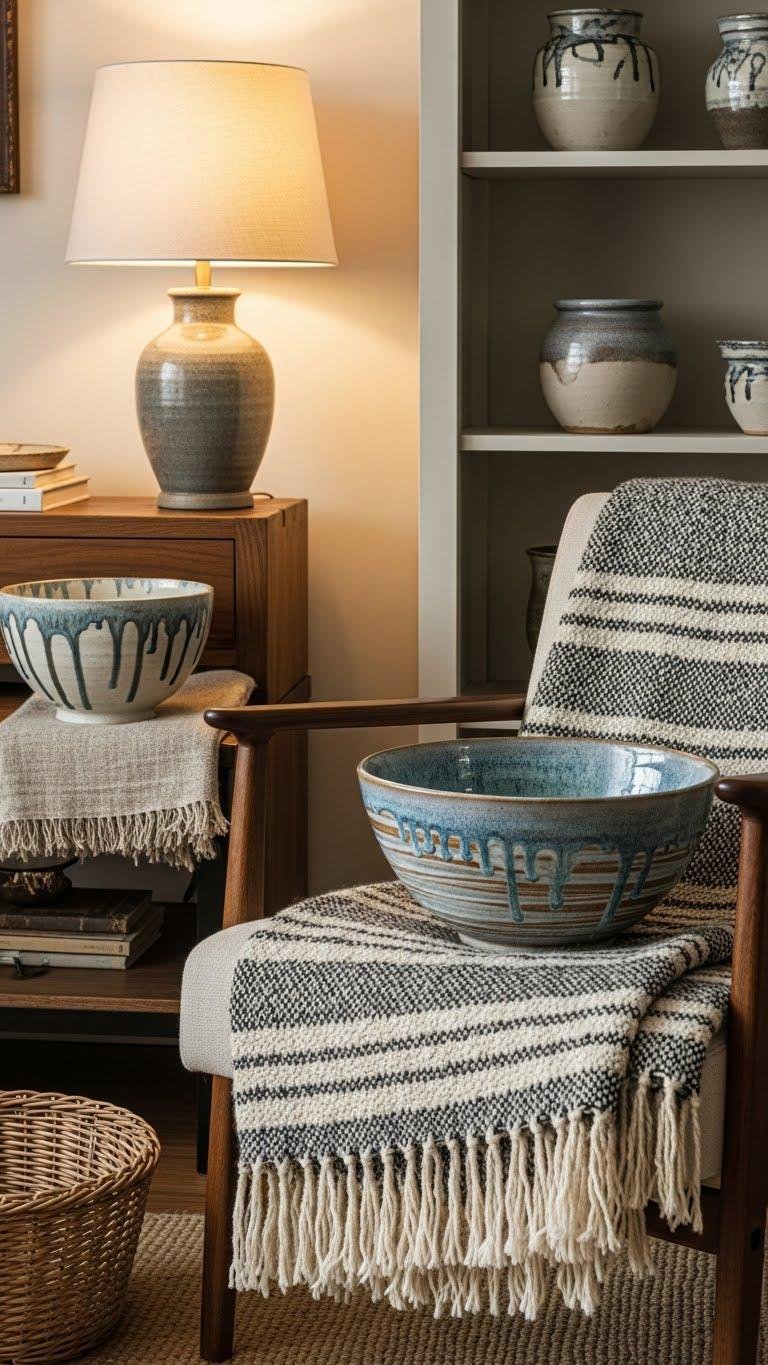
Someone’s hand marks and uneven glazes bring a room to life, so choose handcrafted pieces that celebrate small imperfections. You’ll favor handmade imperfections and artisan marks over machine-perfect sameness, letting texture and subtle asymmetry create calm.
Celebrate flaws as design choices: a bowl’s glaze streak, a throw’s woven irregularities. These pieces give your space personality while keeping it uncluttered and free.
Keep Surfaces Clear and Purposeful
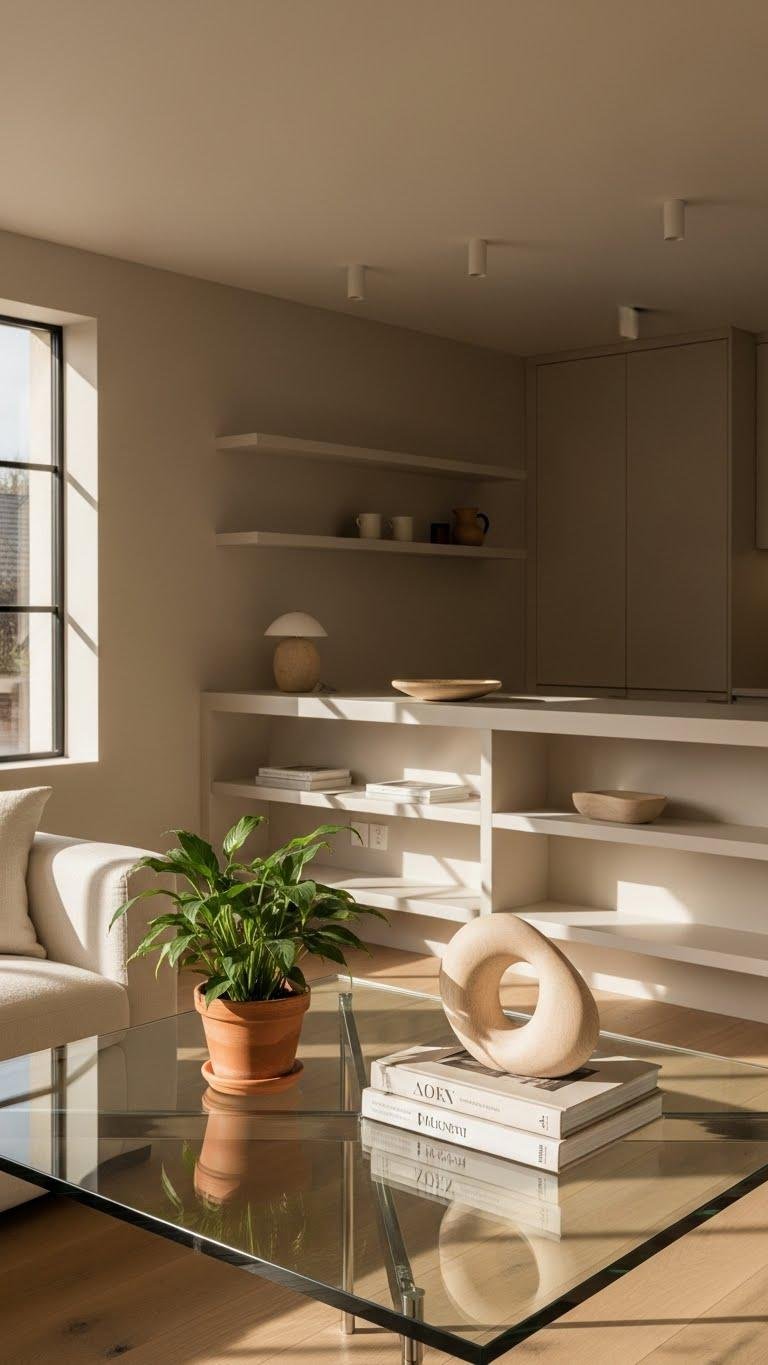
Often you’ll feel calmer when surfaces are intentionally clear: let each tabletop, shelf, and counter hold only what you use, love, or want to look at. You’ll practice daily clearing as a simple ritual, editing clutter and keeping items intentional.
Arrange purposeful vignettes—a single plant, a stack of books, a sculptural object—so spaces breathe and you regain visual freedom.
Use Rugs to Define Calm Zones
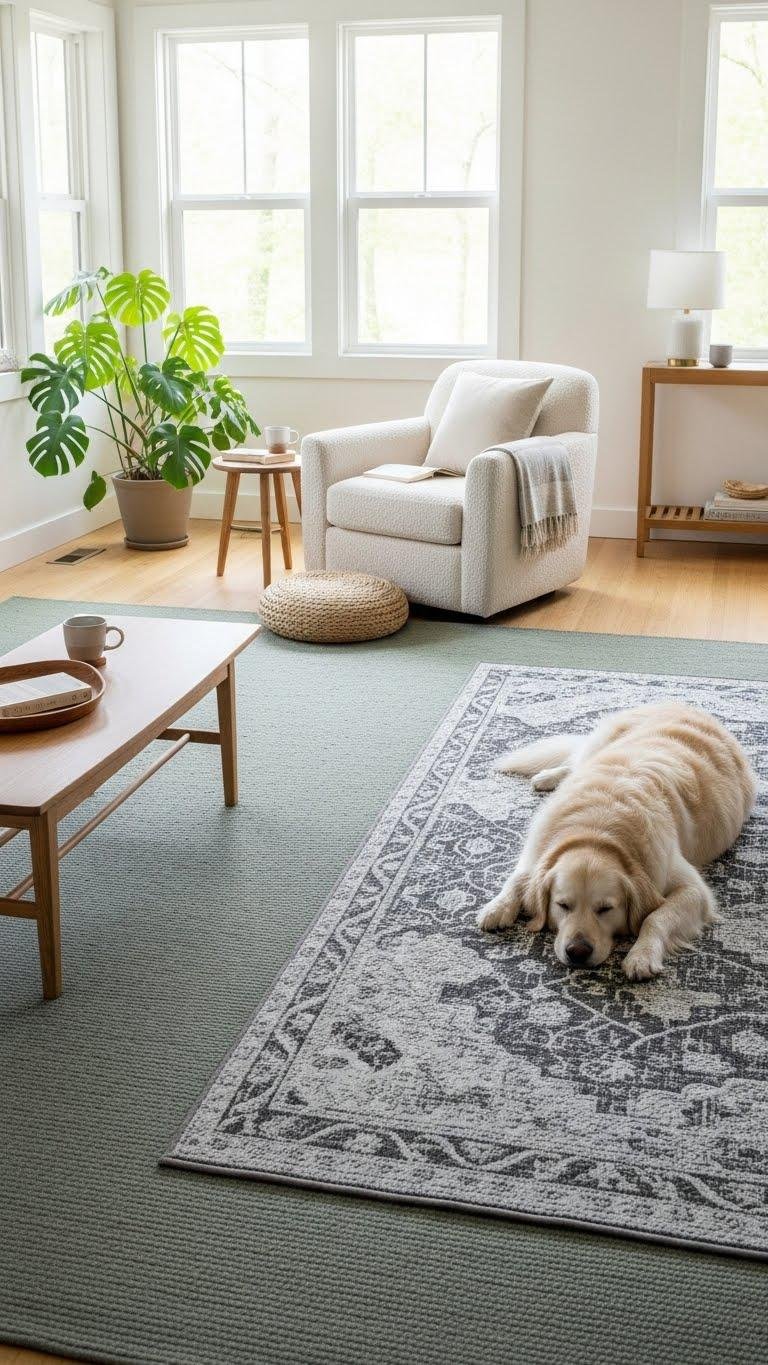
Clearing surfaces gives rooms breathing space; rugs do the same on the floor, quietly mapping out where you sit, read, or rest. Choose low‑pile pieces for sleek comfort, try color zoning to anchor activity, and pick durable, pet‑friendly fibers that handle life.
Use outdoor rugs indoors for easy cleaning and bold texture, creating defined calm zones that feel open and liberating.
Balance Minimalism With Cozy Layers
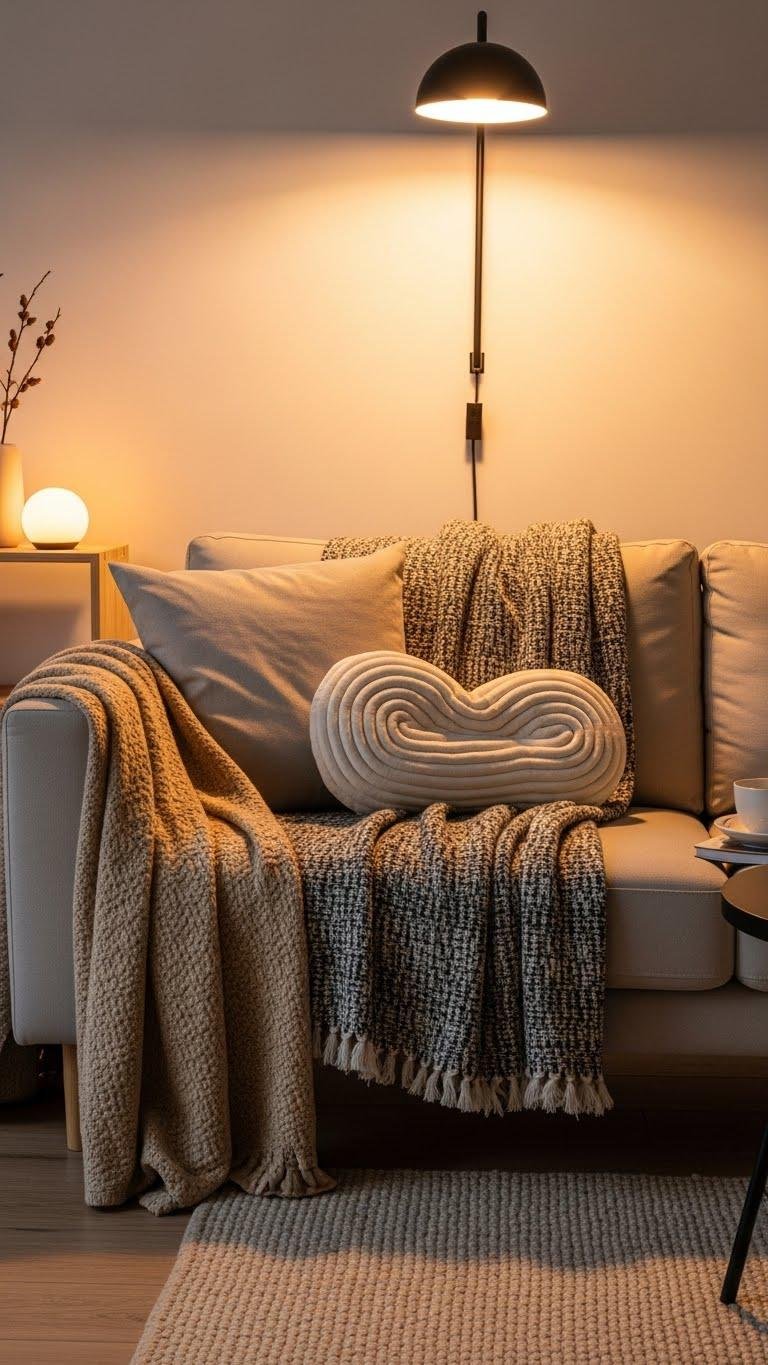
While you keep surfaces clean and forms simple, layering soft textiles and warm finishes will stop minimalism from feeling cold.
Add soft blankets, a textured throw, and a sculptural pillow to invite touch. Combine neutral shapes with warm lighting and a single tactile rug to create pockets of ease. You’ll keep clean lines while choosing comfort that feels free and intentional.
Choose Non‑toxic Finishes and Fabrics
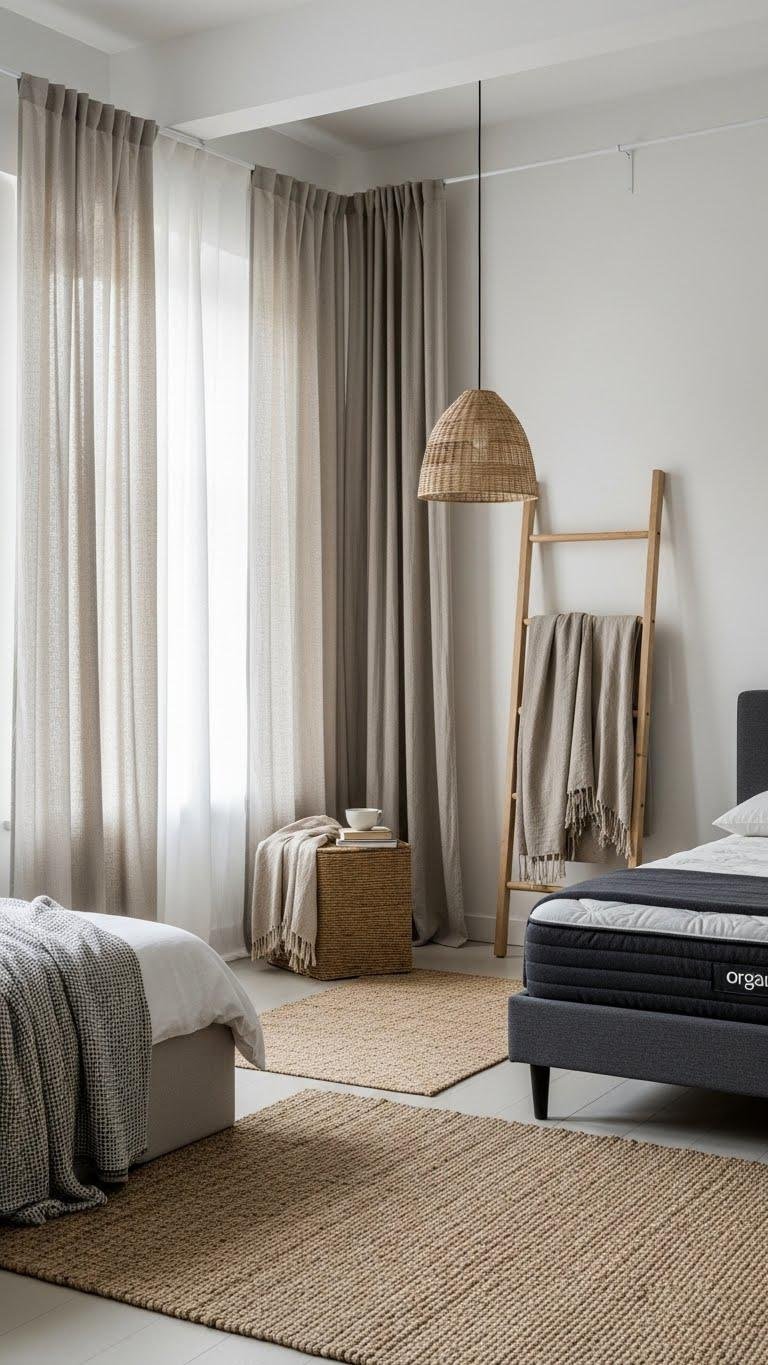
Because the finishes and fabrics you choose set the tone for both style and health, pick low-VOC paints, formaldehyde-free furniture, and OEKO-TEX or GOTS-certified textiles.
Opt for natural fibers, linen curtains, and washable hemp rugs. Choose breathable bedding and organic mattresses to sleep clean.
Keep palettes muted, textures tactile, and details minimal so your space feels open, intentional, and liberating.
Plan Versatile Storage Solutions
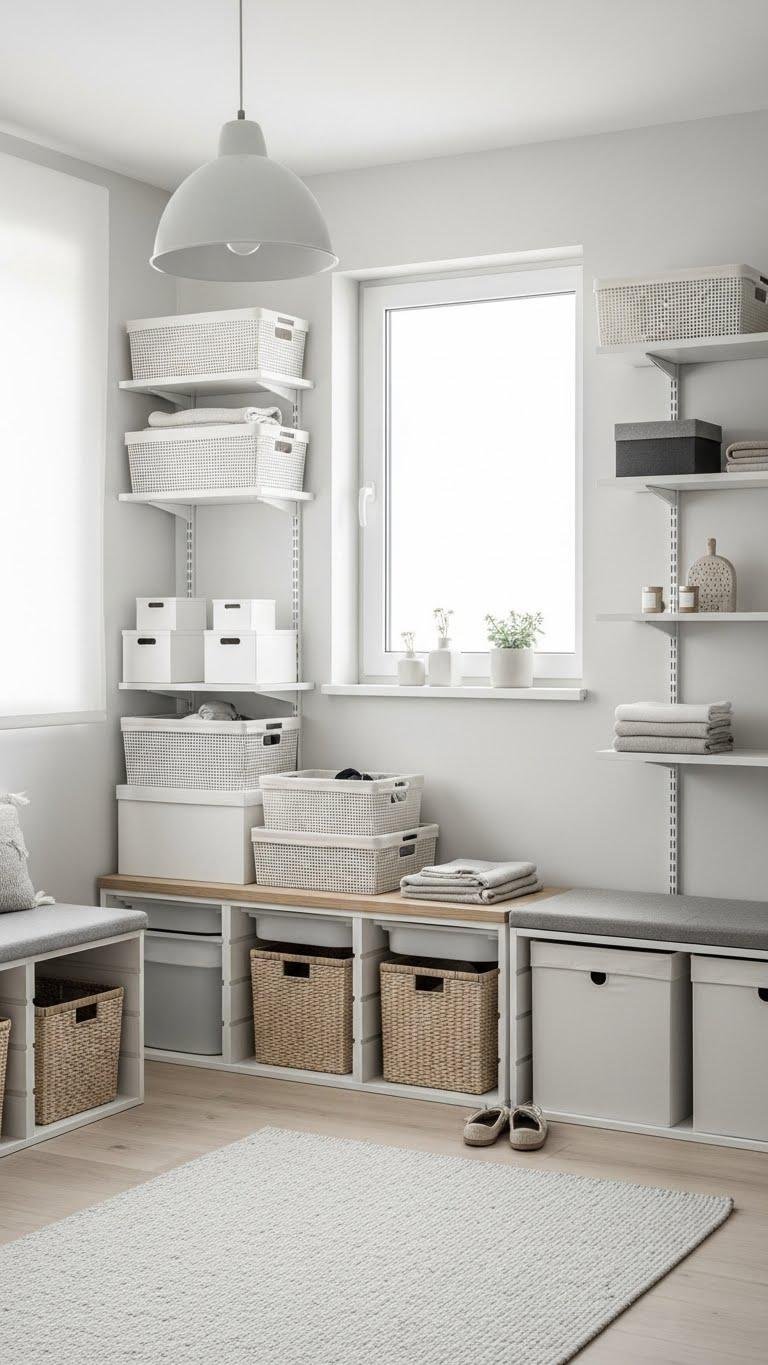
If you plan storage with intention, every item gets a purpose and your rooms stay calm and airy.
Choose modular baskets for flexible grouping, stackable options for seasonal swaps, and pared-down shelving. Add hidden benches for seating that tucks away clutter. You’ll create clean sightlines, effortless routines, and open spaces that let you move freely and enjoy a minimalist life.