
You’ll create a timeless neutral home by layering warm beiges, soft linen upholstery, and natural wood grain—think sandy plaster walls, oak millwork, and honed stone surfaces—then add depth with chocolate browns, muted terracotta, and ochre ceramics. Focus on matte finishes, rounded silhouettes, and a mix of velvet and bouclé for tactile contrast; curate thrifted pieces with gentle patina so each textured element can breathe and the whole feels calm, crafted, and enduring—next, explore 21 specific ideas.
Embrace Chocolate Brown as a Warm Neutral

Anchor your palette with chocolate brown to bring instant warmth and depth to a neutral room. You’ll layer chocolate brown textiles for tactile richness and contrast, pairing them with crisp neutrals to maintain airiness.
Consider cocoa cabinetry as an anchor in kitchens or study nooks, balancing wood grain with matte metals. You’ll create a liberated, refined space that feels intentional and resilient.
Layer Sage and Soft Blues for a Grounded Palette
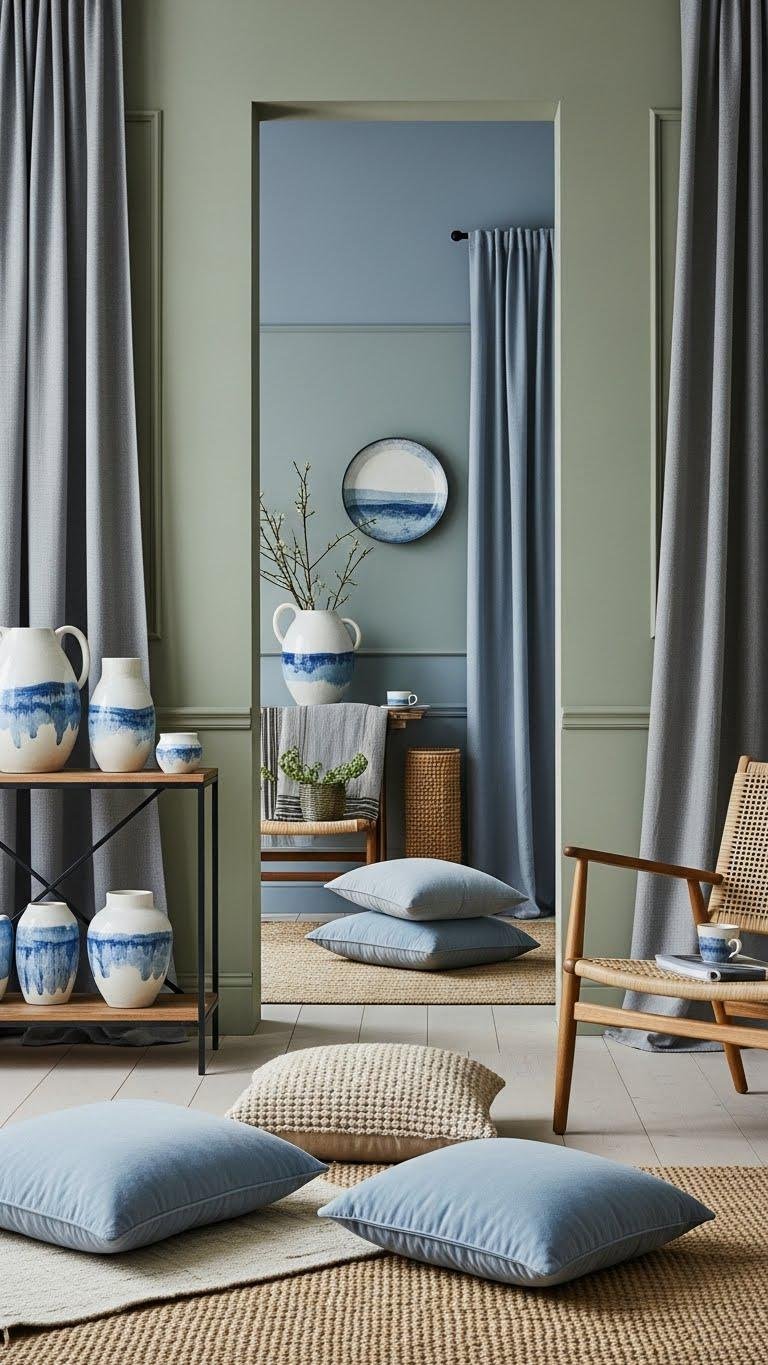
By layering sage and soft blues, you’ll build a grounded palette that feels both fresh and quietly cultivated.
You’ll balance sage harmony with hints of blue serenity: matte plaster walls, linen drapery, and ceramics that pick up coastal undertones.
Choose varied textures—velvet cushions, woven rugs, brushed wood—to keep the scheme liberated yet cohesive, letting light and tactile contrast define each calm, intentional space.
Incorporate Deep Reds and Burgundy Accents
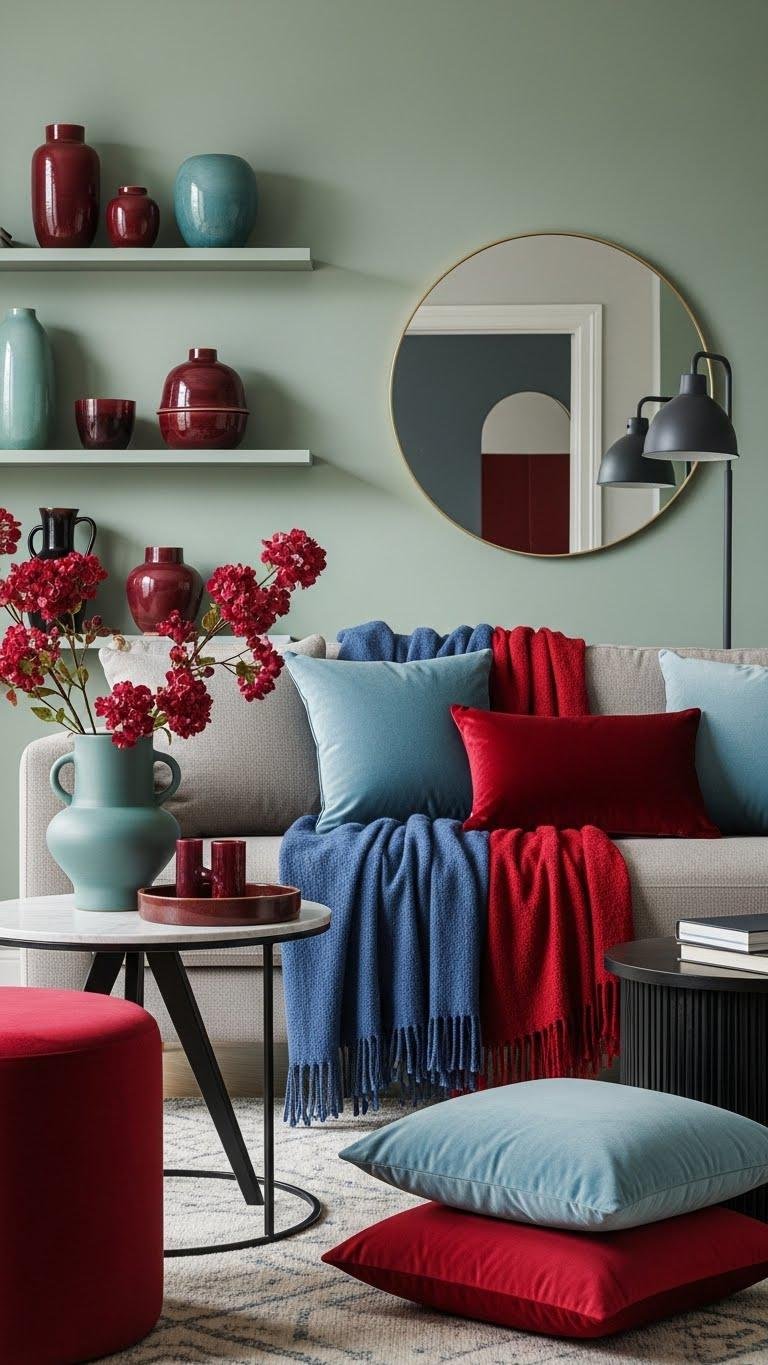
Build a Japandi Neutral Foundation With Warm Beiges
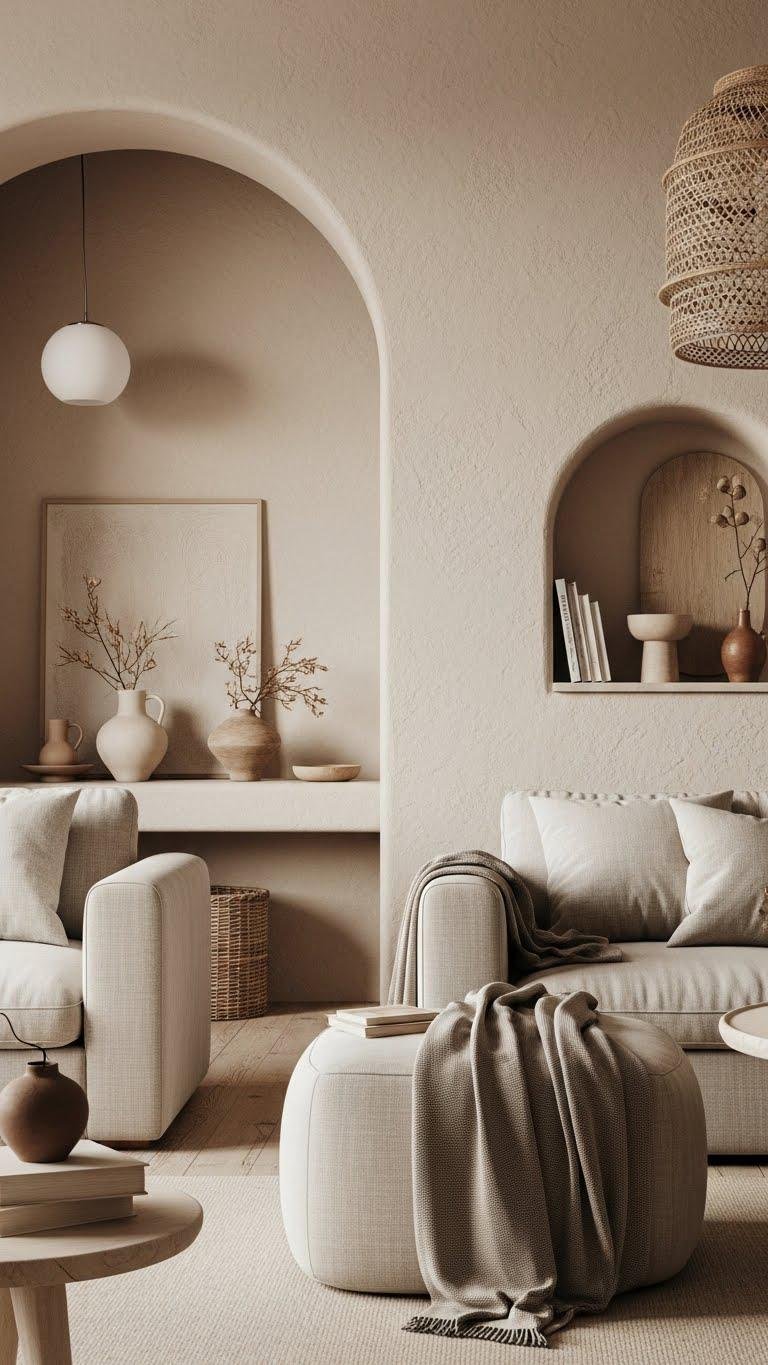
A warm beige base gives you the calm, layered backdrop Japandi thrives on—think sandy plaster walls, soft linen upholstery, and raw wood tones that harmonize rather than compete.
Embrace Japandi Beige as your anchor: limit ornament, choose tactile finishes, and balance scale for Warm Minimalism. You’ll craft a serene, flexible interior that feels curated yet liberating, focused on light, texture, and purposeful restraint.
Add Ochre and Muted Terracotta Touches
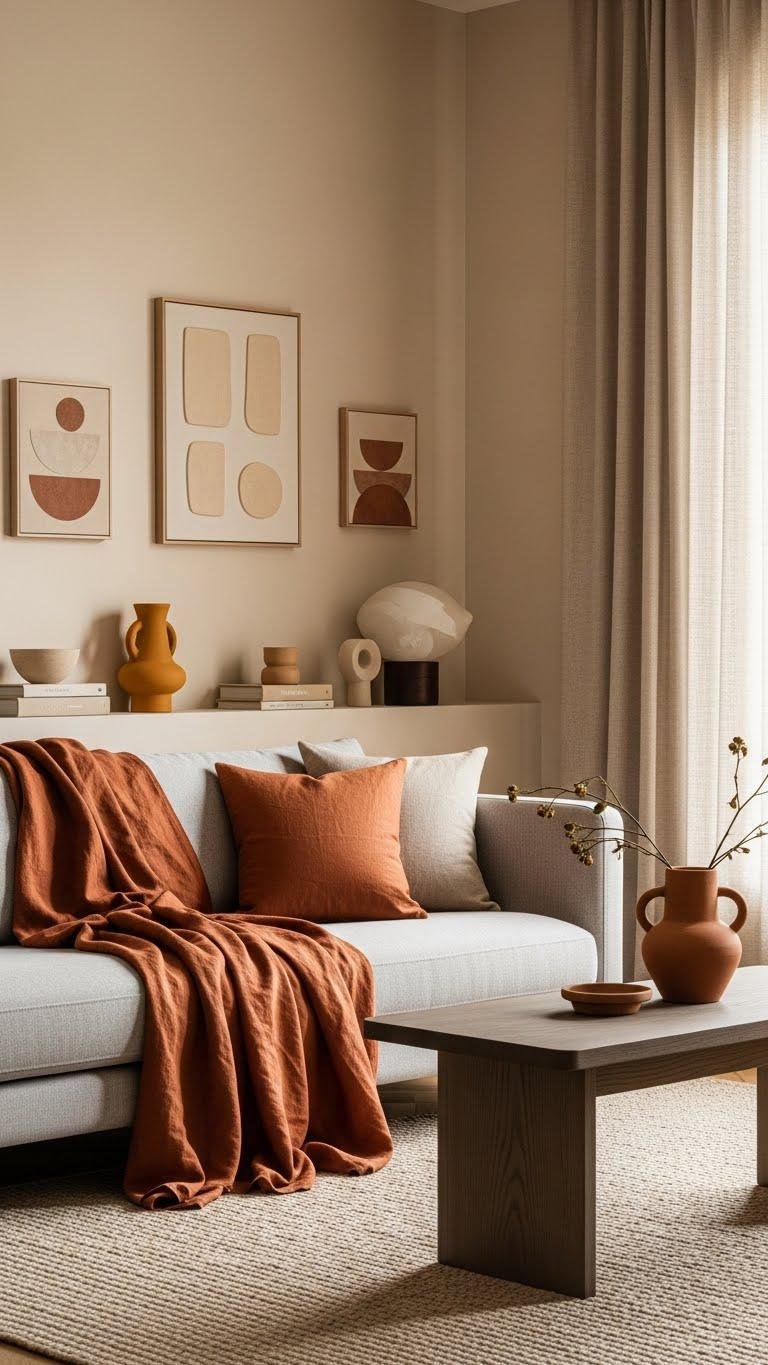
Warm beiges set the calm stage, and introducing ochre and muted terracotta adds gentle warmth and depth without breaking Japandi’s restraint.
You’ll layer ochre accents in ceramics and minimal art, then anchor seating with terracotta textiles—think linen throws and cushions with soft patina.
Keep shapes simple, finishes matte, and let these hues invite ease and freedom without overpowering your serene neutral palette.
Use Curved Sofas to Soften a Room

Soften the room’s lines by choosing a curved sofa that balances proportion and flow; you’ll find its rounded silhouette immediately reduces visual rigidity and invites movement through the space.
You’ll pair curved back loveseats with low-profile neutrals, layer tactile throws, and orient rounded sectional arrangements to encourage conversation.
The result feels airy, liberated, and meticulously considered without being fussy.
Choose Circular Coffee Tables for Organic Flow
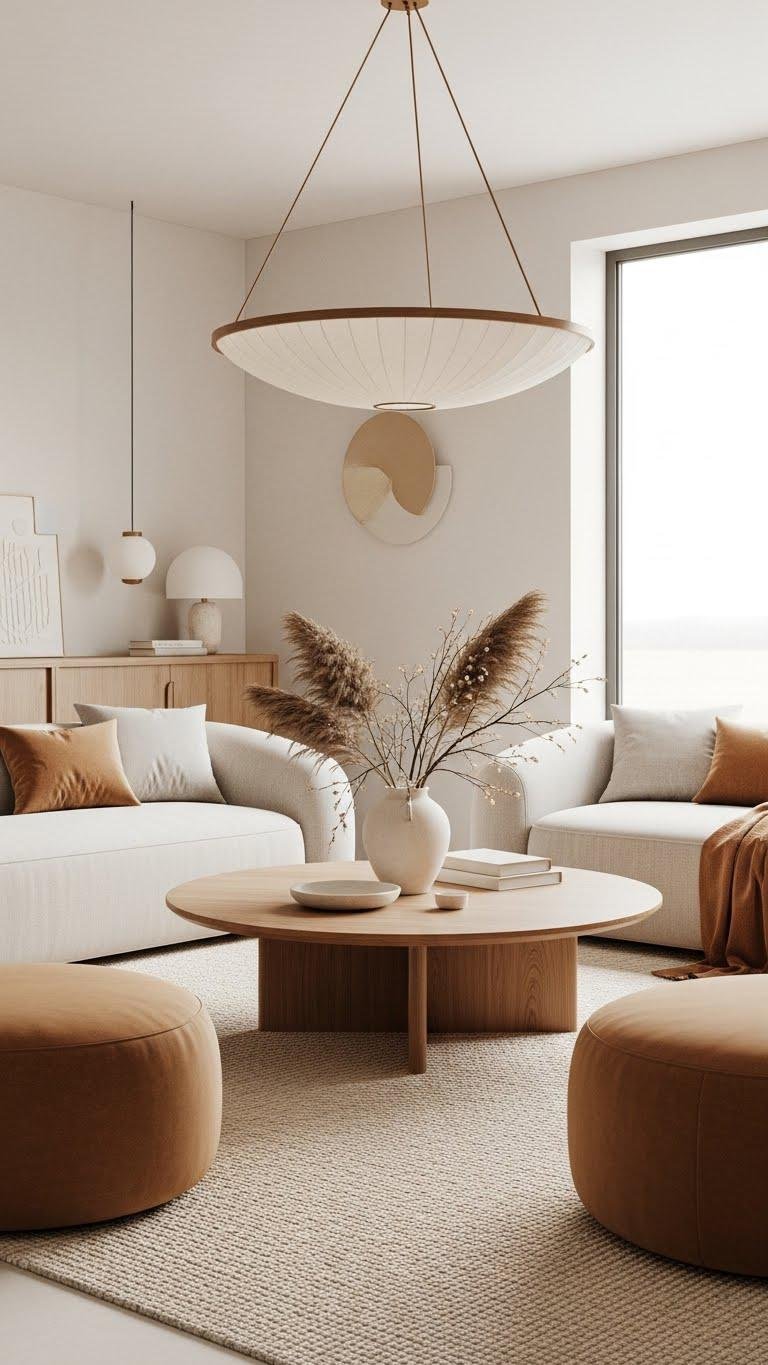
By choosing a circular coffee table, you’ll reinforce the room’s organic flow and echo the soft lines of a curved sofa without adding visual weight.
Opt for low-profile wood or stone finishes that let organic centerpieces breathe. Pair with rounded ottomans to create flexible seating and a relaxed layout.
Keep scale balanced, edges soft, and surfaces minimal for a timeless, free-spirited aesthetic.
Install Arched Mirrors and Rounded Architectural Details

Introduce arched mirrors and rounded architectural details to bring cohesion and a subtle sculptural quality to your space. You’ll favor arched glasswork for reflected light and softened sightlines, pairing mirrors with built-in rounded niches to display ceramics or plants.
These curves reduce visual tension, encourage movement, and let you express calm, liberated style while maintaining a refined, neutral aesthetic.
Feature Tulip-Style Tables and Whimsical Lighting

When you center a tulip-style table beneath a sculptural pendant, the room gains an instant focal point that marries midcentury simplicity with playful, modern lighting. You’ll craft a refined tulip tablescape with minimal ceramics, a linen runner, and negative space. Choose whimsical pendants that balance scale and shadow, letting form and light free the space while keeping the palette calm and intentional.
Highlight Natural Wood and Stone Finishes
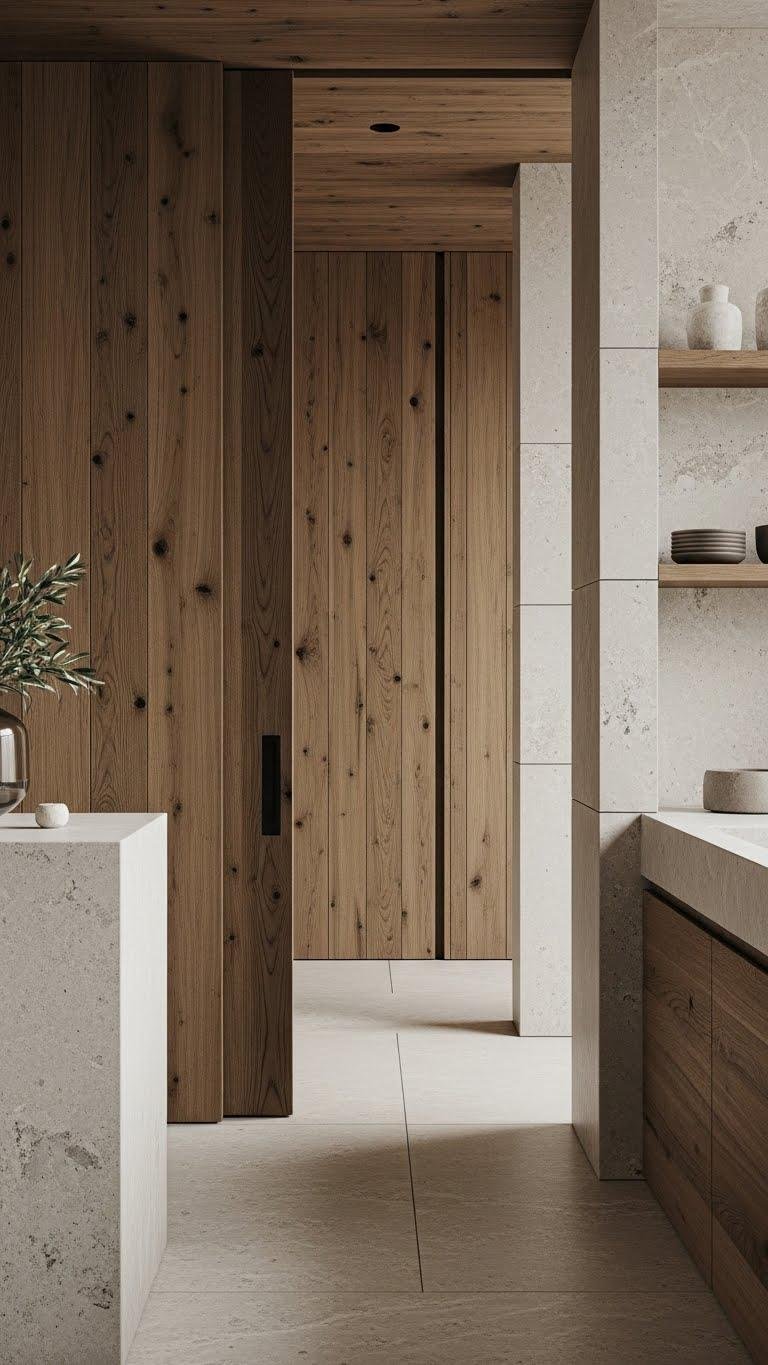
Layering raw wood and honed stone brings a tactile warmth that grounds a neutral scheme and gives your rooms an honest, lived-in elegance.
You’ll choose visible grain, hand-finished edges, and sustainable joinery to celebrate craft. Pair oak or walnut with honed limestone surfaces, keep finishes matte, and let subtle variations and pure proportions create calm, open spaces that feel both freeing and enduring.
Introduce Linen and Understated Textiles
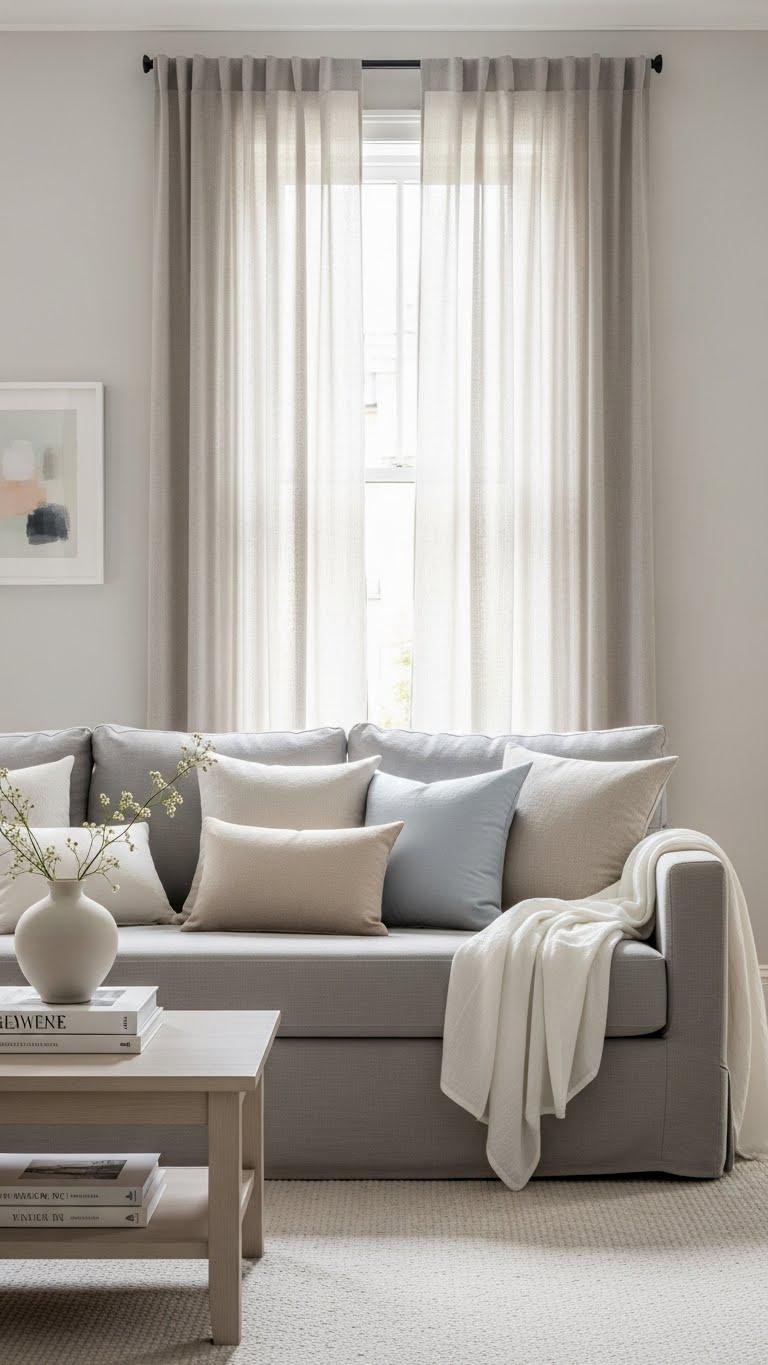
Because linen breathes and softens a room without shouting, it’s the go-to textile for neutral schemes that aim for quiet refinement. You’ll layer linen textures on sofas, pillows, and lightweight throws to add tactile warmth without color noise.
Pair with muted sheers for filtered light and privacy, letting spaces feel open, calm, and free while maintaining a tailored, effortlessly curated aesthetic.
Mix Vintage Art Deco and Bauhaus Pieces

Bring together Art Deco’s gilded geometry and Bauhaus’s disciplined minimalism to create a neutral scheme that feels both luxe and restrained. You’ll pair geometric brasswork accents with streamlined mirrored surfaces, balancing ornate curves against clean lines.
Choose neutral upholstery, sculptural lighting, and sparse arrangements so each vintage piece breathes. The result feels liberated, intentional, and timeless without excess.
Select Lacquered Wood and Polished Metal Accents

After balancing Art Deco’s gilded geometry with Bauhaus restraint, let lacquered wood and polished metals define the room’s tactile and reflective vocabulary. You’ll highlight wood grain through satin lacquer, plan lacquer care to avoid cracks, and choose metals that age well—controlled metal patination or enduring mirror polish.
Combine restrained forms and careful finishes so surfaces feel liberating, precise, and unexpectedly warm.
Layer Textured Fabrics Like Velvet and Bouclé
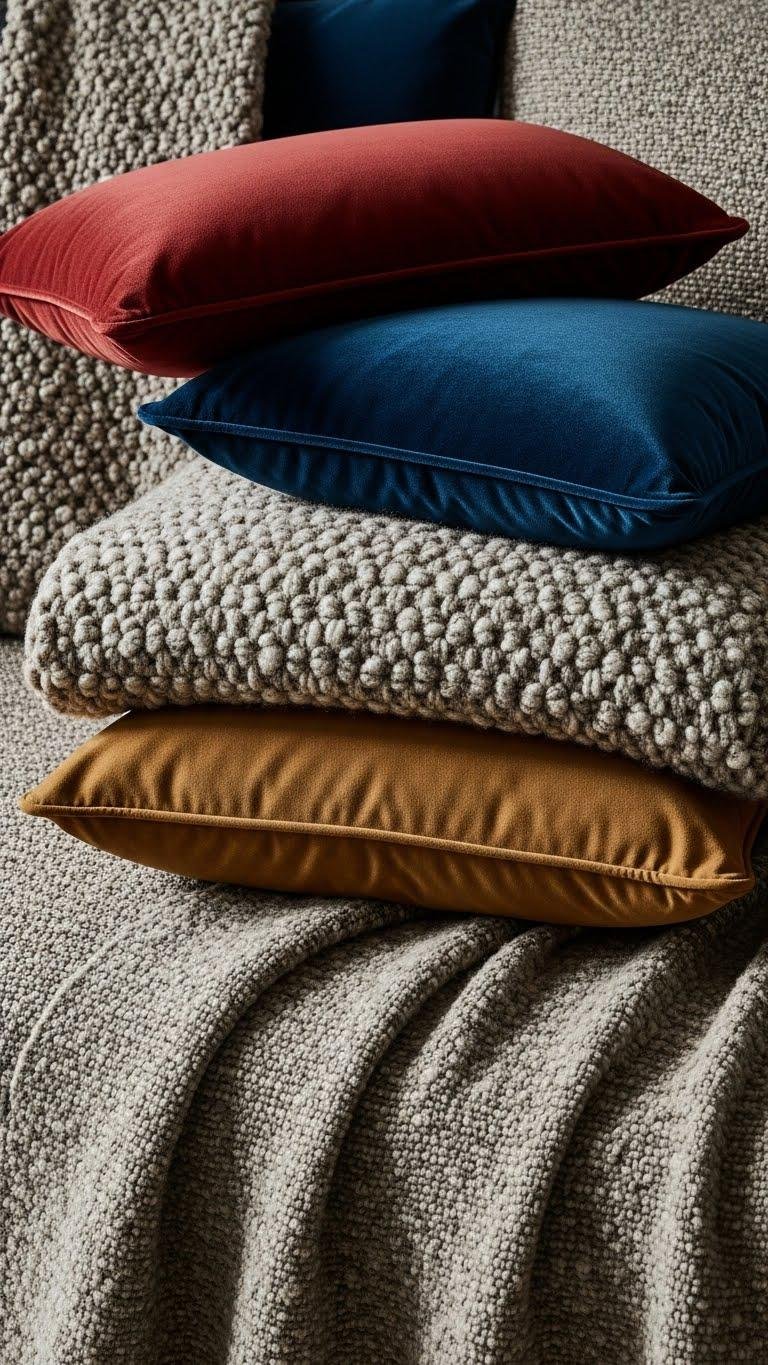
When you layer velvet and bouclé, you introduce tactile contrast that reads as both refined and inviting—velvet’s smooth, light-catching pile plays against bouclé’s nubby, matte loops to create depth without clutter.
Embrace velvet bouclé combinations on pillows, throws, and upholstery; vary scale and tone for restrained contrast. Your tactile layering will feel effortless, expressive, and endlessly adaptable to changing moods.
Apply Fluted Wood Paneling for Subtle Drama
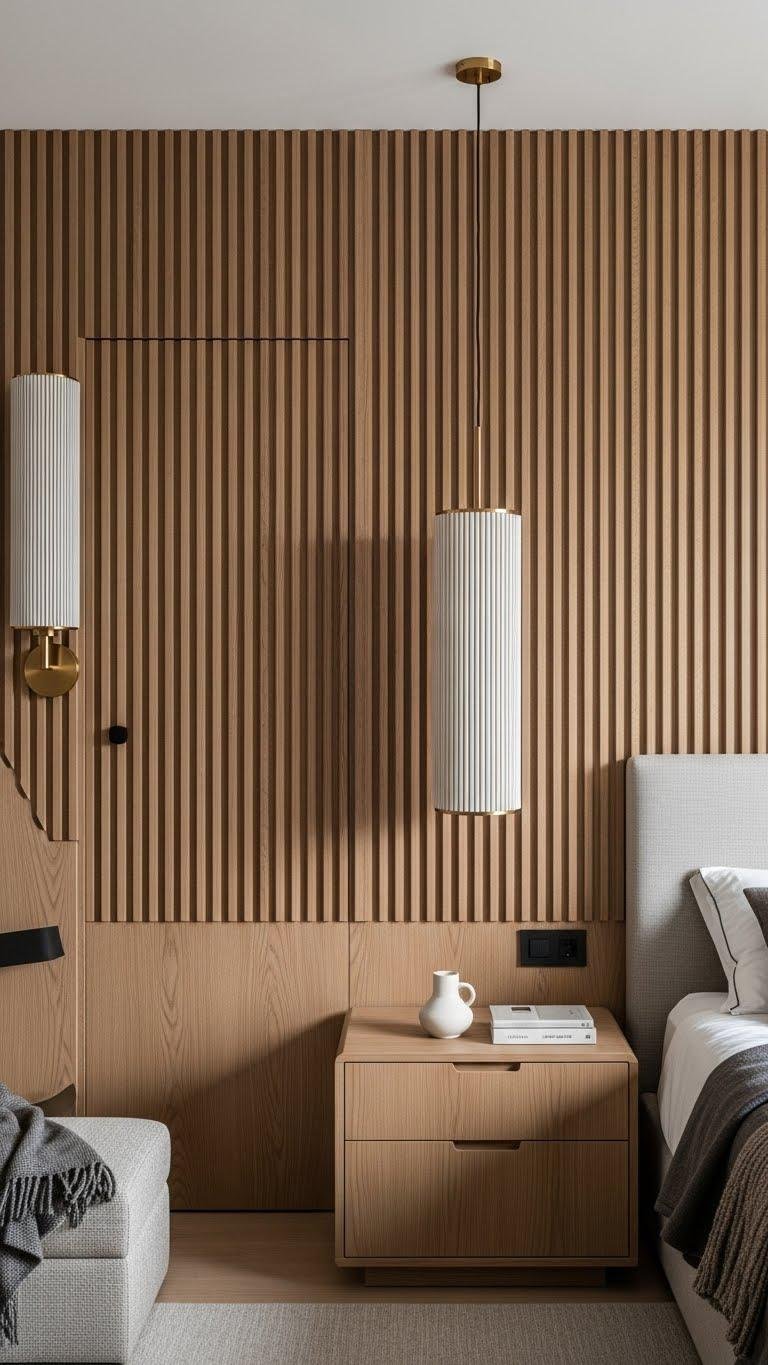
To complement your layered textiles, introduce fluted wood paneling to add sculptural rhythm and low-key drama to a room. You’ll align panels with fluted lighting to echo vertical lines, choose natural stains that reveal grain, and coordinate grain matched cabinetry for cohesion.
Install panels as a subtle feature wall or headboard backdrop so the space feels restrained, tactile, and freely expressive.
Opt for Solid-Colored Neutral Rugs

Choose a solid-colored neutral rug to anchor a space without competing with layered textiles or fluted detailing; it gives your room a calm foundation that highlights texture and form rather than pattern. Pick handwoven sisal for an earthy, durable base or plush wool for soft comfort underfoot.
You’ll create a restrained, flexible backdrop that lets furniture and art breathe.
Use Saturated Millwork in Warm Palette Hues
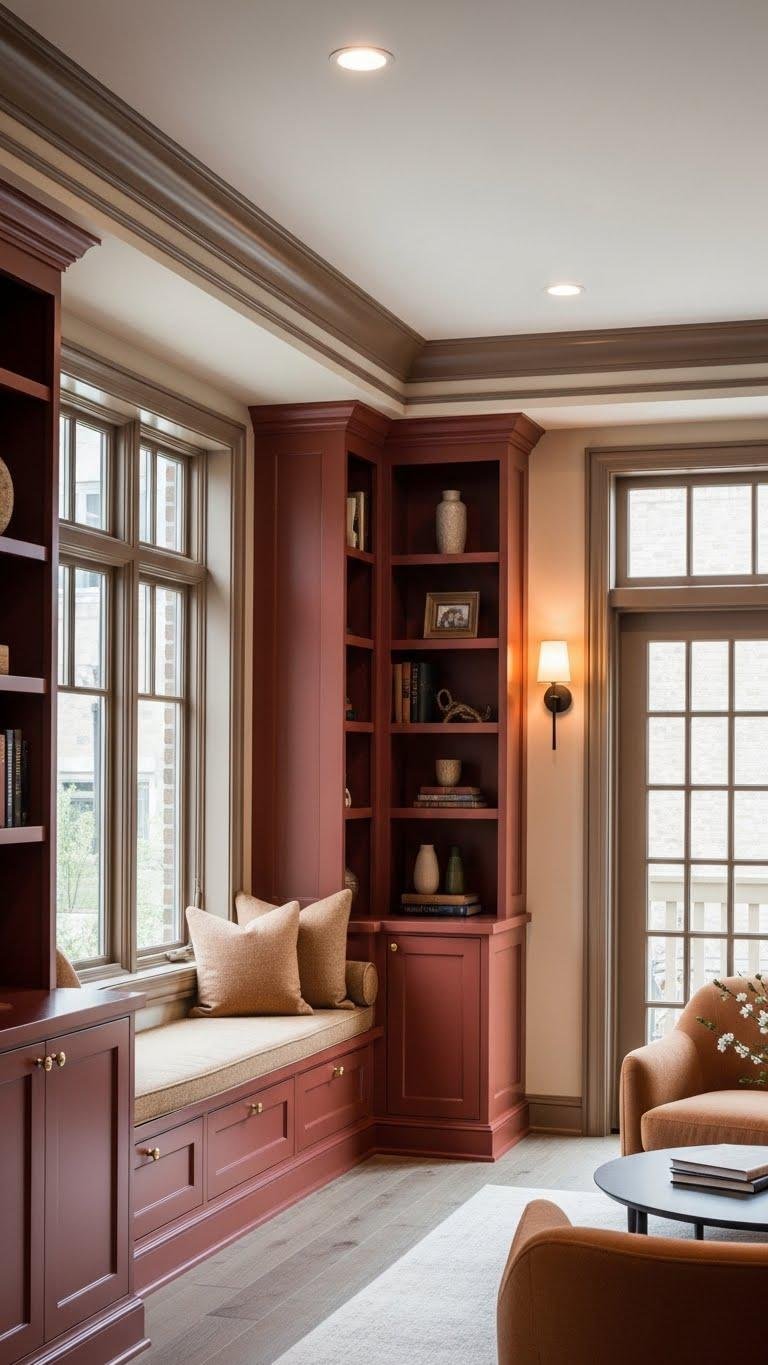
Because saturated millwork anchors a room visually, you can use warm palette hues to create intimacy without relying on textiles or art, letting the built-in elements carry mood and cohesion. Choose saturated millwork in warm hued tones, pair with tonal trim to unify sightlines, and favor matte finishes for subtle depth.
This lets you shape atmosphere confidently and keep spaces feeling open.
Add Pleated Skirting and Cafe Curtains for Charm

Curate Thrifted and Handmade Vintage Finds
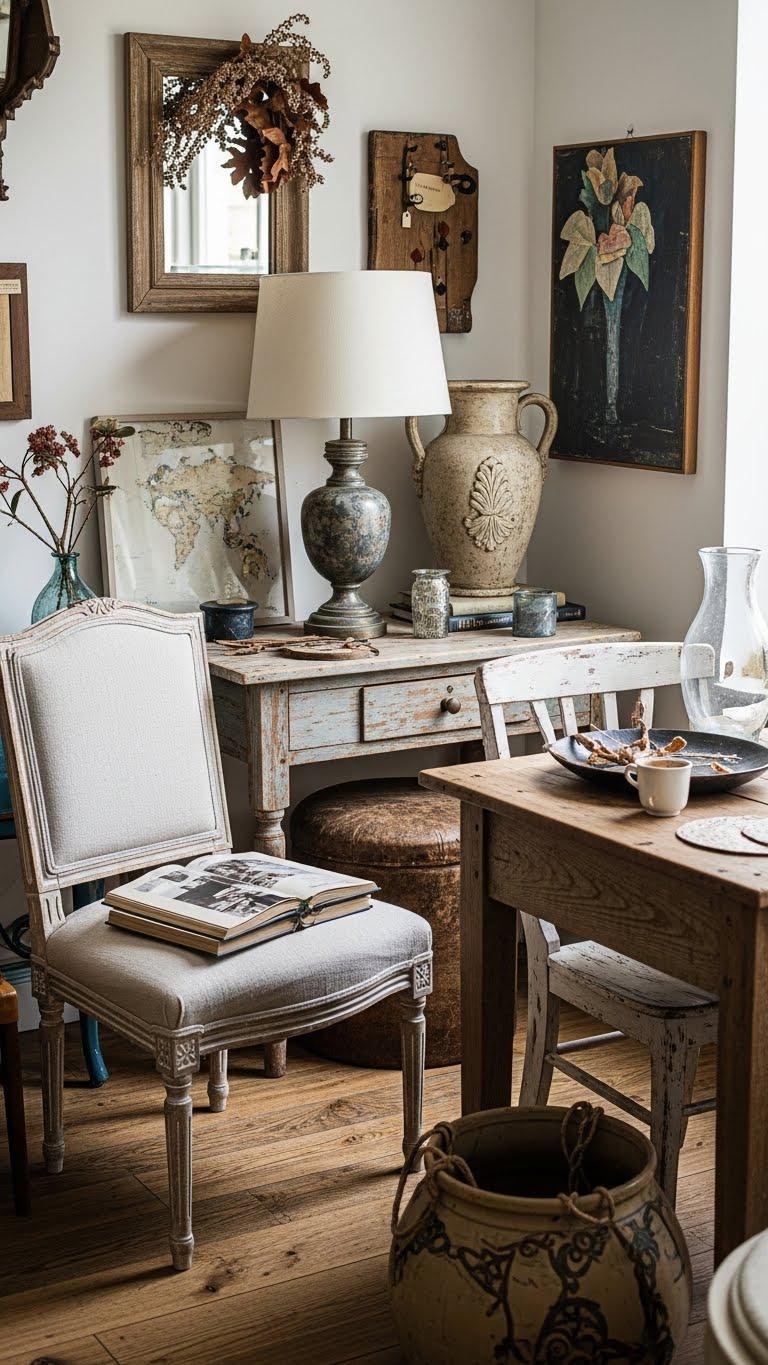
Start by hunting for pieces that tell a story—scoped eyes will spot scale, patina, and construction that mass-made items can’t mimic.
You pursue vintage scouting with purpose, selecting objects that balance neutrality and character.
Consider modest artisan restoration to stabilize joints or reupholster in breathable linens.
Curate sparingly, mix eras confidently, and let each find anchor a free, intentional room.
Let Natural Patina and Handcrafted Finishes Shine

Once you’ve chosen vintage pieces for their stories and structure, let their surfaces speak rather than hiding them behind heavy refinishing.
You’ll celebrate natural patina and handcrafted finishes, preserving scratched brass, worn wood grain, and soft craquelure.
Embrace uneven tones, subtle stains, and artisan marks as intentional details.
That restraint creates spacious, unfussy rooms where freedom feels tangible and timeless.
Balance Moody Neutrals With Soft Dusty Blues
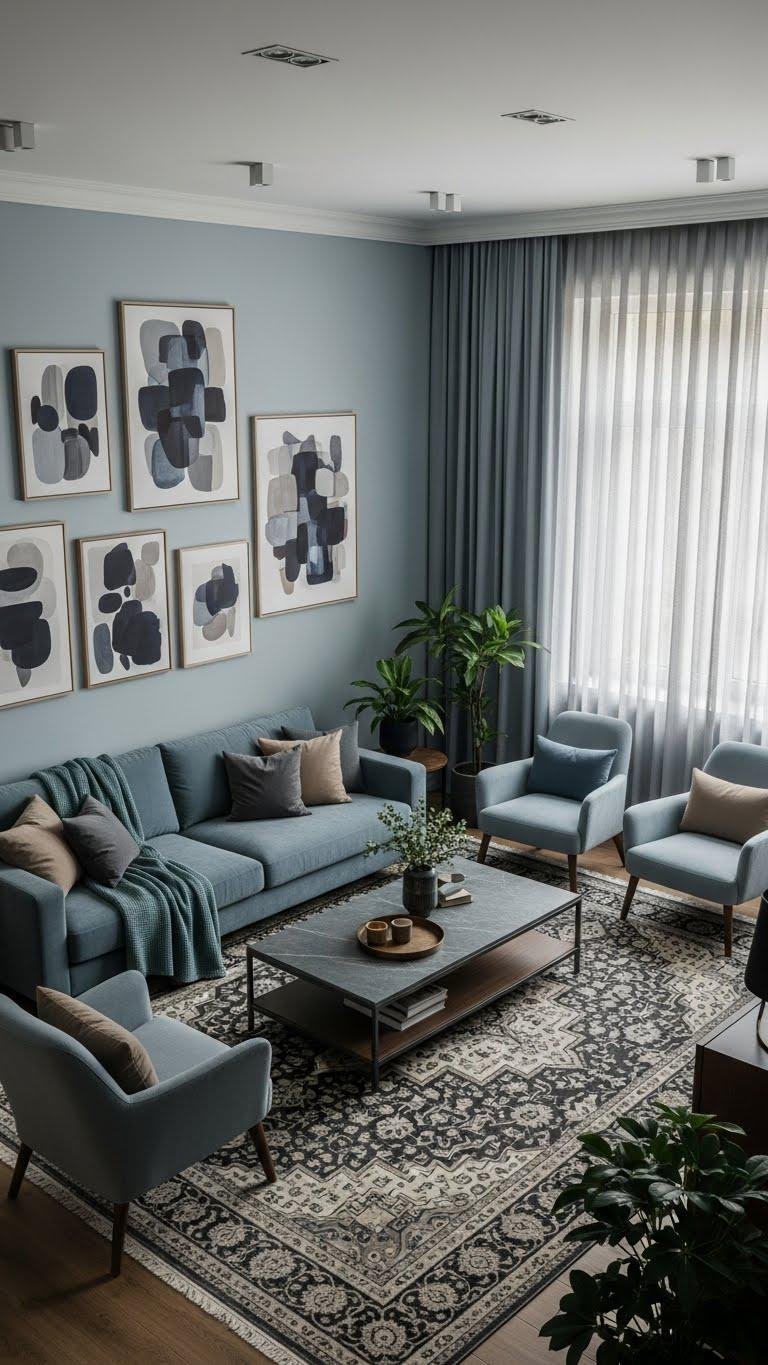
When you layer moody neutrals like charcoal, taupe, and deep greige, counterbalance their weight with soft dusty blues to keep the room feeling composed rather than heavy. You’ll mix slate gray accents with moody blue upholstery, introduce dusty sky walls or art, and add soft teal textiles.
The result feels liberated, refined, and serene without sacrificing depth or warmth.